Collect a Small-Claims Judgment the Debtor Has Not Paid
Record the judgment where needed, locate lawful asset information, choose an available enforcement method, and recover funds or establish a documented collection position.

Free preview: 3 of 20 steps
Work through them in the real run view, exactly as a buyer does. No account, no payment, nothing saved.
3 free unlocks per month — yours to keep forever
No account needed — nothing is saved.
Included with every copy
- Your own copy — keep it forever
- Gets better over time — free updates included
- Run it on web and mobile
- Invite a partner to go through it with you — you share the same progress
- Make it your own — a private copy you can edit to fit your situation
- The playbook's community — ask questions, get additions, and see how other buyers improve it, right on the step
Who it's for
US individuals and sole proprietors who won a small-claims (or comparable limited-jurisdiction) money judgment and have not been paid. Best for readers comfortable handling court paperwork on their own; the same steps work for larger judgments, but the value of a lawyer rises with the amount at stake.
About this playbook
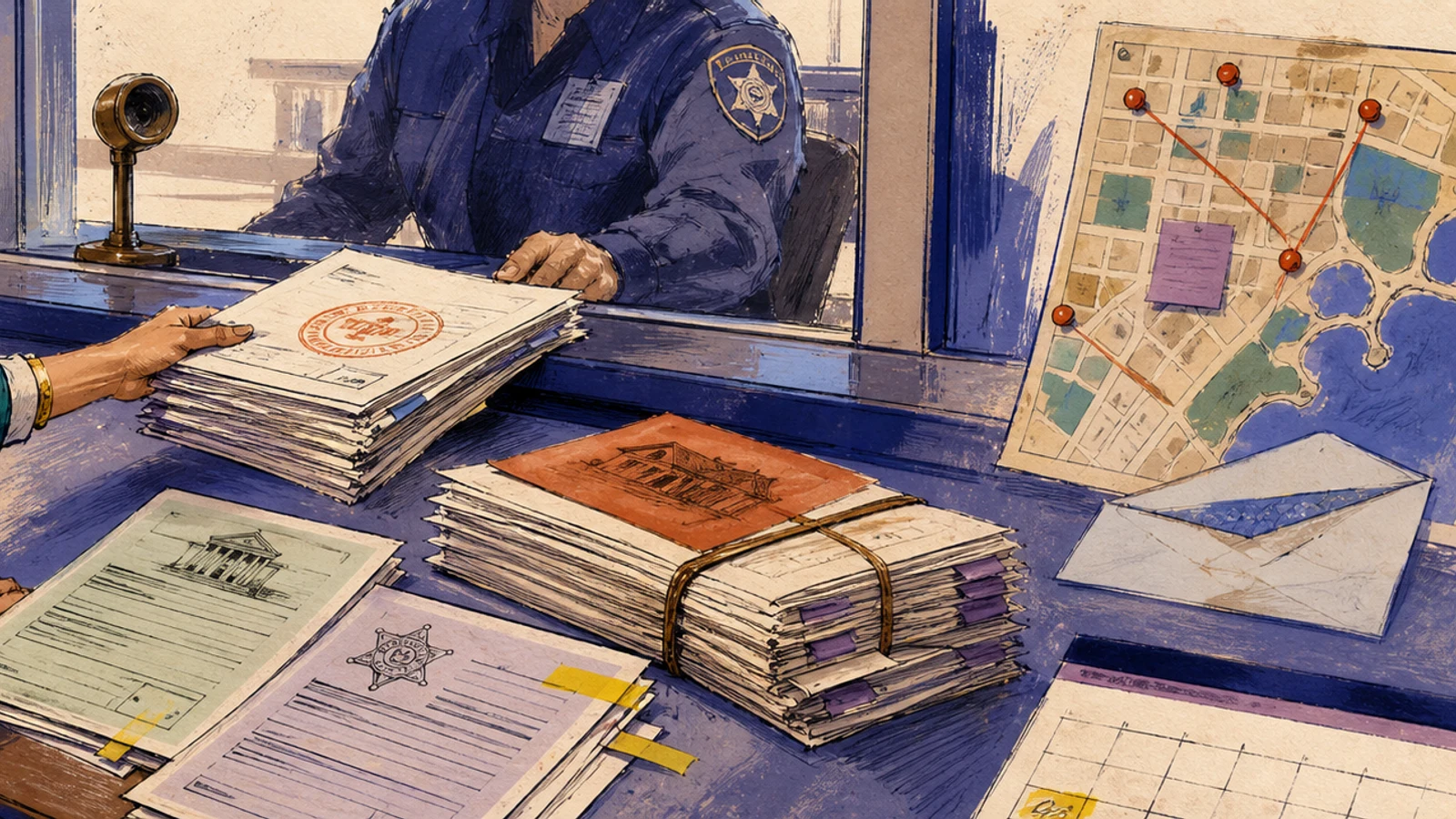
Winning a small-claims case does not put money in your pocket — the judgment is only “a piece of paper” until you enforce it. This guide walks the full collection path: confirming the judgment is final, finding out what the debtor owns and earns, recording and registering the judgment so it binds property, then using bank levies, wage garnishments, and judgment liens to recover what you are owed. It also covers what to do when the debtor claims exemptions, files for bankruptcy, or appears to have nothing. You will finish with either money collected or a documented collection position you can act on later. It does not cover filing your original lawsuit, appealing the judgment itself, or debts owed by a business that has already dissolved without assets.
What you'll do, step by stepFree preview
Only a sample is open: 3 of 20 steps can be read in full. The rest unlock when you buy.
Phase 1: Confirm the judgment is final
4 stepsPhase 2: Find the debtor’s assets and income
5 stepsPhase 3: Record and register the judgment
2 stepsPhase 4: Levy accounts and garnish wages
4 stepsPhase 5: Respond when collection stalls
3 stepsPhase 6: Renew the judgment and close the file
2 steps
Details
What you need first
A final money judgment in your name that has not expired, the debtor’s correct legal name, and a reasonable idea of where the debtor lives or works. You will need cash for filing, recording, and service fees (usually well under a few hundred dollars). If the judgment is still within its appeal window or under appeal, wait for the appeal to resolve first.