Start a Sensory-Friendly Party-Kit Rental Business
Assemble two sanitized pilot kits, complete 12 paid weekend rentals, and identify which equipment mix, delivery radius, and damage deposit produce a viable return on inventory.

Free preview: 4 of 24 steps
Work through them in the real run view, exactly as a buyer does. No account, no payment, nothing saved.
3 free unlocks per month — yours to keep forever
No account needed — nothing is saved.
Included with every copy
- Your own copy — keep it forever
- Gets better over time — free updates included
- Run it on web and mobile
- Invite a partner to go through it with you — you share the same progress
- Make it your own — a private copy you can edit to fit your situation
- The playbook's community — ask questions, get additions, and see how other buyers improve it, right on the step
Who it's for
US residents running a small, owner-operated, city-scale business. You should be a parent, educator, occupational-therapy assistant, or event organizer who understands sensory needs, can deliver and pick up kits on weekends, and has 4,000–15,000 USD you can risk. Written for first-time owners: no existing company, staff, or warehouse is assumed.
About this playbook
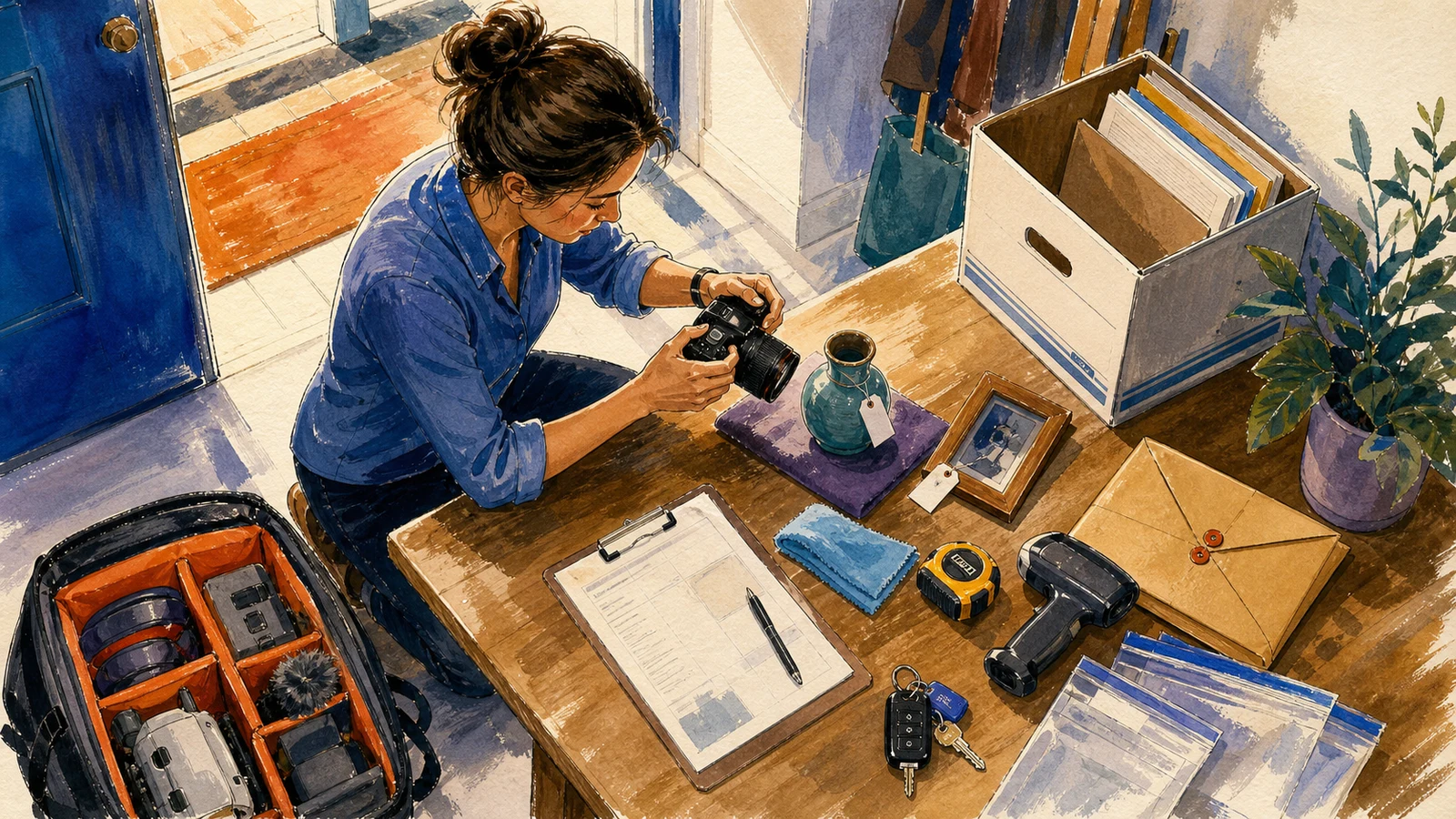
This guide takes a sensory-friendly party-kit rental from an idea to a tested, small-scale business in your city: two sanitized pilot kits, twelve paid weekend rentals, and a day-90 decision made on real numbers. You start by talking to local families, therapists, and event hosts and pre-selling two weekends before you buy a single item. Then you design the kit, set the price, and run the math — startup costs, monthly costs, break-even, and scenarios — before forming the LLC, handling sales tax and local permits, and quoting insurance. The plan names your first ten customers, the channels that reach the first hundred, suppliers with a backup each, and the sanitation rhythm that keeps the kits safe between rentals. It ends past opening day: the first 90 days of actual rentals read against the plan, and the decision to expand, adjust, or stop. It does not cover building a fleet beyond the pilot, selling equipment outright, multi-city expansion, or hiring staff beyond a part-time assistant.
What you'll do, step by stepFree preview
Only a sample is open: 4 of 24 steps can be read in full. The rest unlock when you buy.
Phase 1: Find buyers before you buy anything
4 stepsPhase 2: Design the kit and set the price
3 stepsPhase 3: Run the numbers before you spend
4 stepsPhase 4: Register the company and fund it
4 stepsPhase 5: Line up customers and the weekly routine
5 stepsPhase 6: Run the first 90 days
4 steps
Details
What you need first
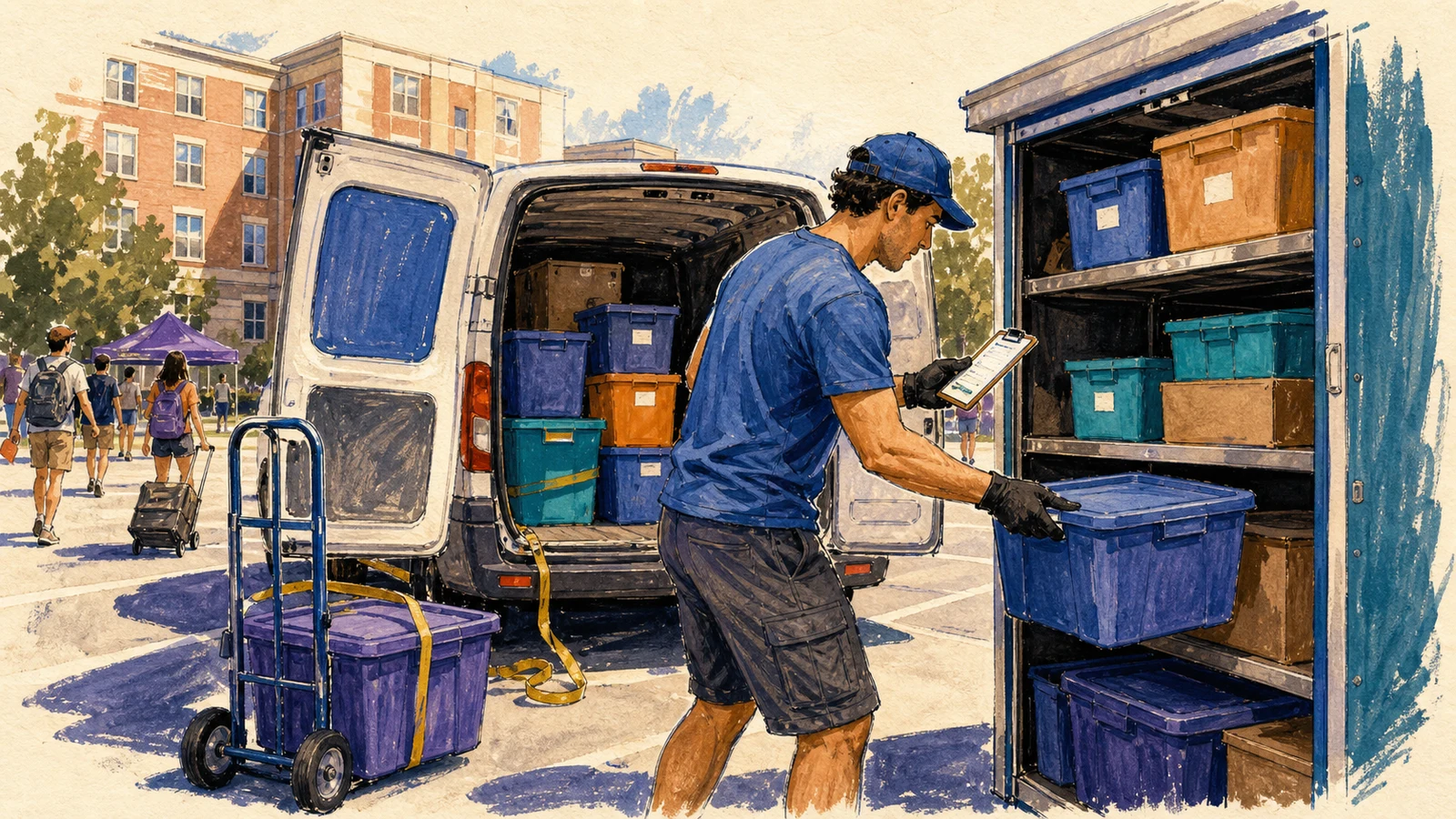
A car or van with room for two kit totes, indoor storage space for two kits, availability on weekend days, and 4,000–15,000 USD of capital that can be lost. Comfort with phone and online research and with a simple spreadsheet. No prior business experience is required.
Tags
Common questions
About the creator
Similar playbooks