Cut Your Energy Bill Twice: a DIY Home Audit Plus Weatherization Assistance and Stackable Rebates
You end with a diagnosed and repaired home envelope: a filed WAP application or a diagnostics-based contractor contract (often both), professionally audited and QCI-inspected work, recorded before-and-after blower-door and duct-leakage numbers, and every rebate claim submitted before its deadline.
Free preview: 5 of 33 steps
Work through them in the real run view, exactly as a buyer does. No account, no payment, nothing saved.
3 free unlocks per month — yours to keep forever
No account needed — nothing is saved.
Included with every copy
- Your own copy — keep it forever
- Gets better over time — free updates included
- Run it on web and mobile
- Invite a partner to go through it with you — you share the same progress
- Make it your own — a private copy you can edit to fit your situation
- The playbook's community — ask questions, get additions, and see how other buyers improve it, right on the step
Who it's for
US homeowners and renters whose landlords will consent who face high summer or winter bills, including households who may qualify for free WAP work and middle-income readers stacking rebates on paid, diagnostics-based contracts.
About this playbook
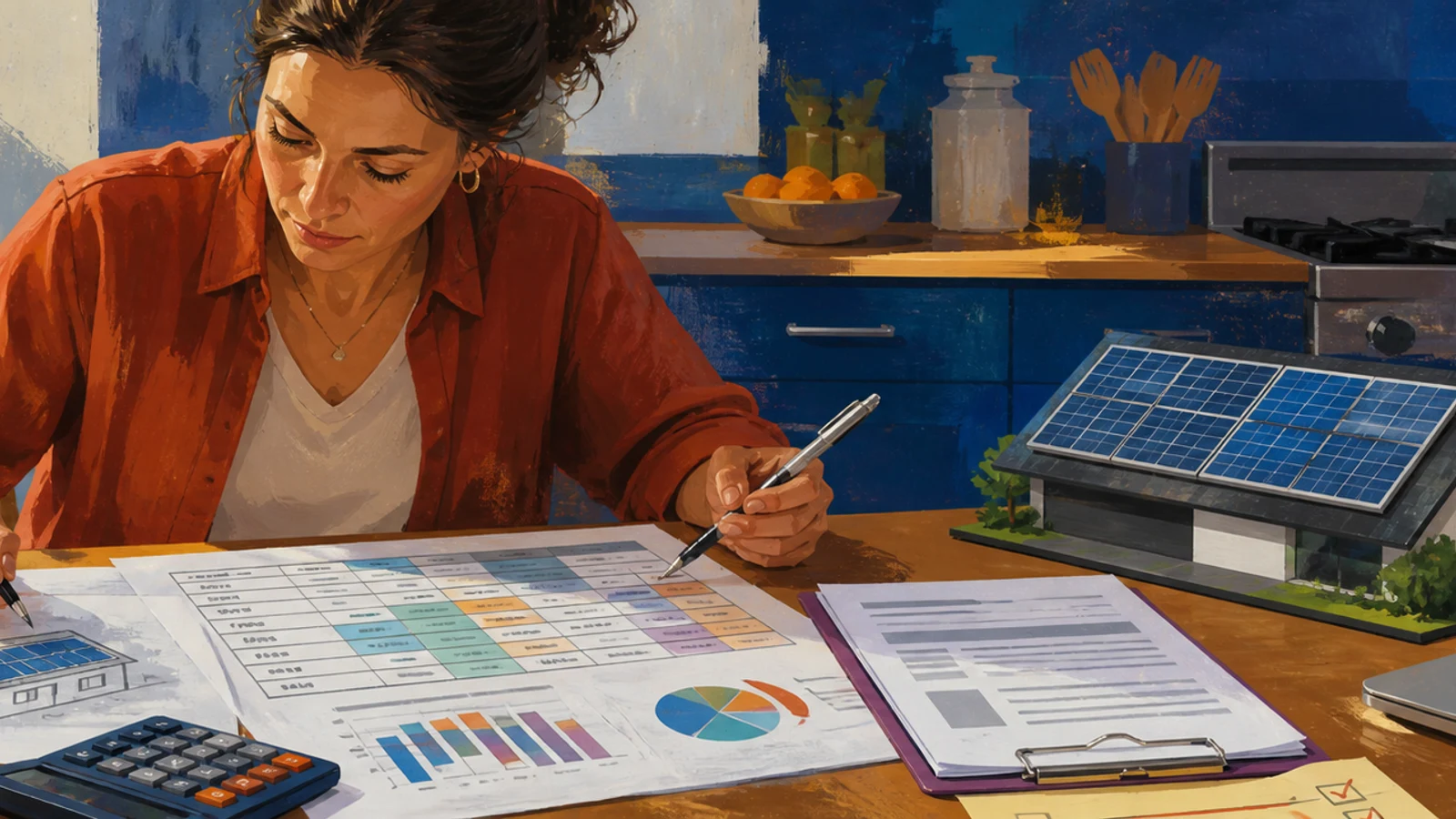
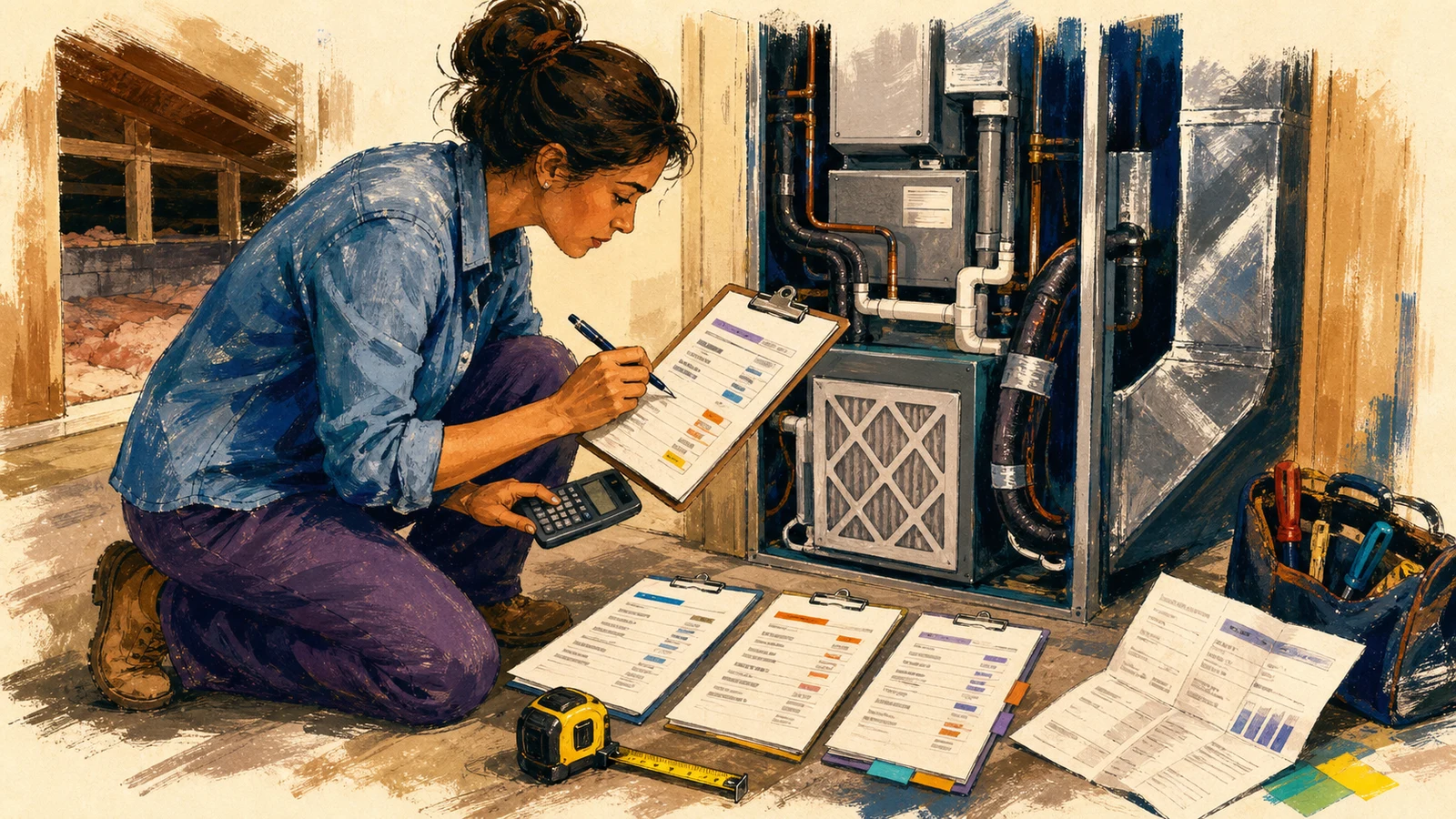
This playbook walks a US household from a twelve-month utility baseline and a DIY envelope diagnosis to a filed Weatherization Assistance Program application, a diagnostics-based contractor contract, or both. You finish with professional audit figures, work accepted against a signed scope, QCI or contractor after-tests, and before-and-after blower-door and duct-leakage numbers in one closed file. Every rebate is reserved before the first crew day and claimed on the administrator’s own form before that program’s deadline; IRS Form 5695 is settled only for property placed in service in 2025. It is written for owners and for renters whose landlords will consent, including households at WAP income or categorical gates and middle-income readers who will pay contractors but insist on measured bids. Calendar time is one heating or cooling season plus a local waitlist that can run for months.
What you'll do, step by stepFree preview
Only a sample is open: 5 of 33 steps can be read in full. The rest unlock when you buy.
Phase 1: Diagnose the bills and the envelope
4 stepsPhase 2: Settle WAP, rebates, and the code
7 stepsPhase 3: Complete the file and apply
3 stepsPhase 4: Bid the paid track and answer the file
7 stepsPhase 5: Audit, sign, and reserve
6 stepsPhase 6: Install and close the punch list
2 stepsPhase 7: Claim the money and keep the file
4 steps
Details
What you need first
You need login access to the serving electric and heating-fuel accounts and legal authority to authorize envelope work on the dwelling. A renter must be able to obtain written owner permission before a WAP packet is filed or a contractor is signed.
Tags
Common questions
Glossary
- 211
- The United Way phone line that connects a household to a local utility-assistance specialist when a shutoff, disconnection notice, or other bill emergency is already underway. It is available around the clock. That referral is separate from this playbook’s weatherization file.
- DOE
- The federal agency whose DIY home-energy assessments, Weatherization Assistance Program rules, IECC climate-zone map, and Home Energy Rebates desk this playbook follows. Applications and rebate claims still go through state, territorial, Tribal, or local administrators, not a nationwide DOE household window.
- Weatherization Assistance Program
- The federal program that can fund envelope and related weatherization work at no household charge when income or categorical gates are met. A job on this path still requires a separate professional energy audit under DOE-approved procedures, not a DIY tightness number.
- IECC climate zone
- The zone number, including any marine note, that DOE’s IECC climate-zone map assigns to the dwelling’s county. The same DOE article lists the attic or ceiling insulation target for that zone, which this playbook copies in the article’s own unit and compares with what is in the attic.
- WAP
- The Weatherization Assistance Program path used throughout this playbook. Applications are filed with the local provider that serves the address, not with DOE. A household named WAP-eligible proceeds to that provider; a household over the income gates with no categorical proof stays on paid contractors and rebates only.
- HHS federal poverty guidelines
- The current-year dollar table, by household size, that HHS publishes for the contiguous states, Alaska, or Hawaii. DOE’s default WAP income gate is household prior-year gross income at or below 200% of the figure that matches this household’s size on the table that covers this state.
- Supplemental Security Income
- A benefit that DOE guidelines treat as a categorical WAP eligibility route. A household that receives it is named WAP-eligible even when the 200% poverty comparison is above the line, provided the local provider accepts that proof at intake.
- LIHEAP
- An outside-program route a state may use for WAP. The LIHEAP income criterion is 60% of state median income, a different dollar figure from DOE’s 200% default. Where the state uses LIHEAP as outside-program evidence, that is the 60%-of-median comparison already named in the income screen.