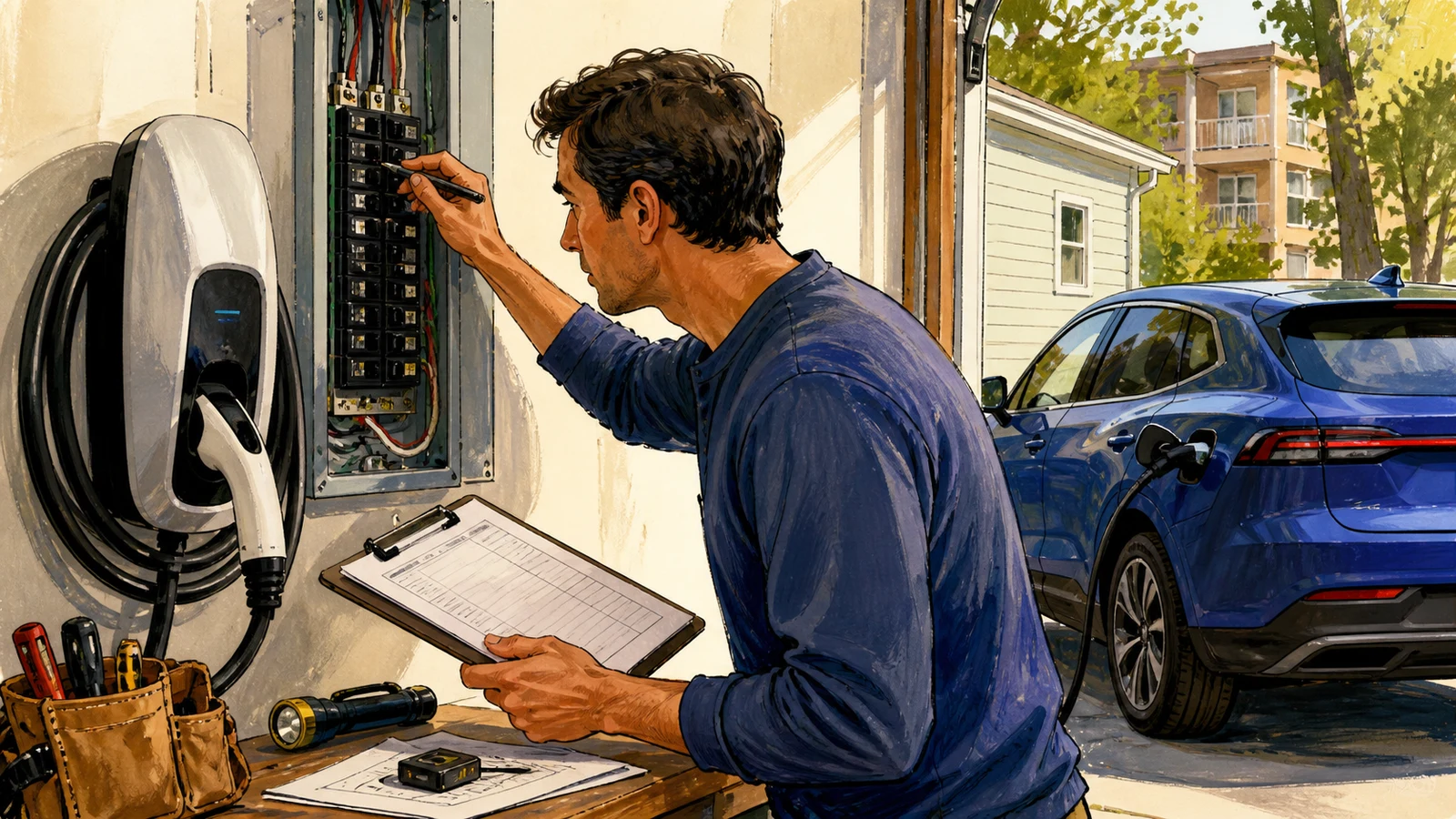
Power Outage Insurance: Size a Generator or Battery Backup That Actually Runs Your House
Backup power that starts, connects legally, and carries the loads that matter: a sized-and-chosen portable, standby, or battery system wired through permitted transfer equipment, with its fuel cost and hours-of-runtime per outage day known in advance. Readers with rooftop solar finish knowing why their array goes dark in an outage and which retrofit changes that.
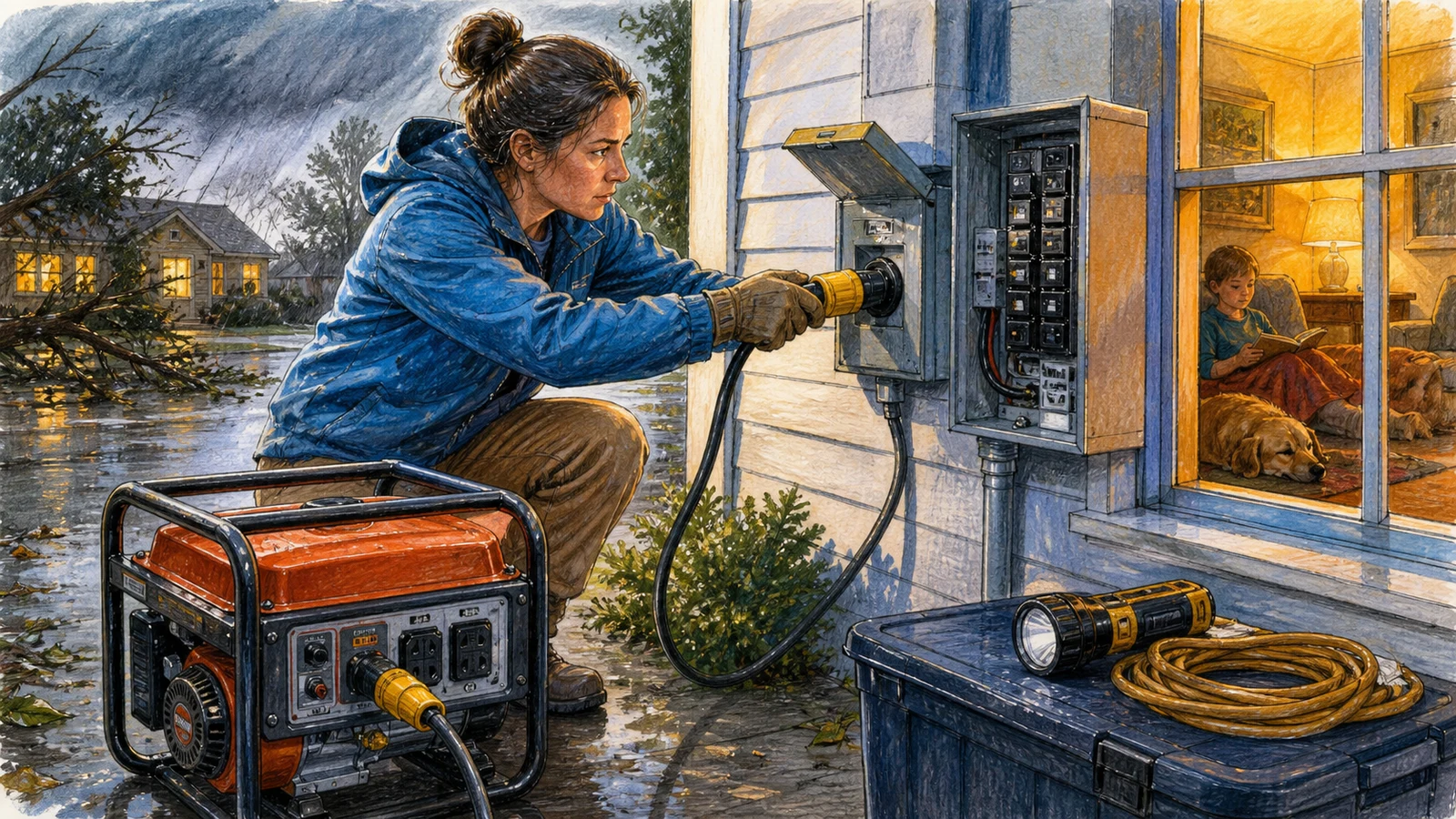
Free preview: 4 of 25 steps
Work through them in the real run view, exactly as a buyer does. No account, no payment, nothing saved.
3 free unlocks per month — yours to keep forever
No account needed — nothing is saved.
Included with every copy
- Your own copy — keep it forever
- Gets better over time — free updates included
- Run it on web and mobile
- Invite a partner to go through it with you — you share the same progress
- Make it your own — a private copy you can edit to fit your situation
- The playbook's community — ask questions, get additions, and see how other buyers improve it, right on the step
Who it's for
Homeowners in outage-prone regions — hurricane belts, ice-storm country, wildfire public-safety-shutoff zones, or anywhere the lights flicker weekly — especially those who already own a portable generator that stalls on the furnace or well pump. Equally useful for anyone choosing among portable, standby, and battery classes for the first time. Not aimed at renters, off-grid homesteads, or commercial properties.
About this playbook
A reference playbook for homeowners tired of outages that a cheap portable cannot ride out. Six lookup sections cover the whole chain: measuring real running and starting watts, choosing between portable, standby, and battery hardware, connecting through legal transfer equipment, clearing permits and code setbacks, budgeting fuel and maintenance per outage day, and pairing storage with rooftop solar. Every entry stands alone — open at the symptom or decision at hand and leave with a number, a rule, or a recorded fact. It does not cover brand-by-brand reviews, off-grid living, or RV and jobsite use, and it assumes United States jurisdictions throughout.
What you'll do, step by stepFree preview
Only a sample is open: 4 of 25 steps can be read in full. The rest unlock when you buy.
Phase 1: Size the load a backup must actually carry
5 stepsPhase 2: Choose between portable, standby, and home battery
5 stepsPhase 3: Connect backup power without killing a lineman
4 stepsPhase 4: Clear permits, codes, and inspections
4 stepsPhase 5: Budget fuel, maintenance, and runtime per outage day
4 stepsPhase 6: Pair backup power with rooftop solar
3 steps
Details
What you need first
Access to appliance nameplates or model numbers (a phone camera helps), knowledge of the electrical panel location and main-breaker rating, a recent utility bill, and notes on any medically necessary devices. No electrical experience is assumed: every step that touches house wiring routes through a licensed electrician. Readers with rooftop solar should identify their inverter model before reaching the solar sections.