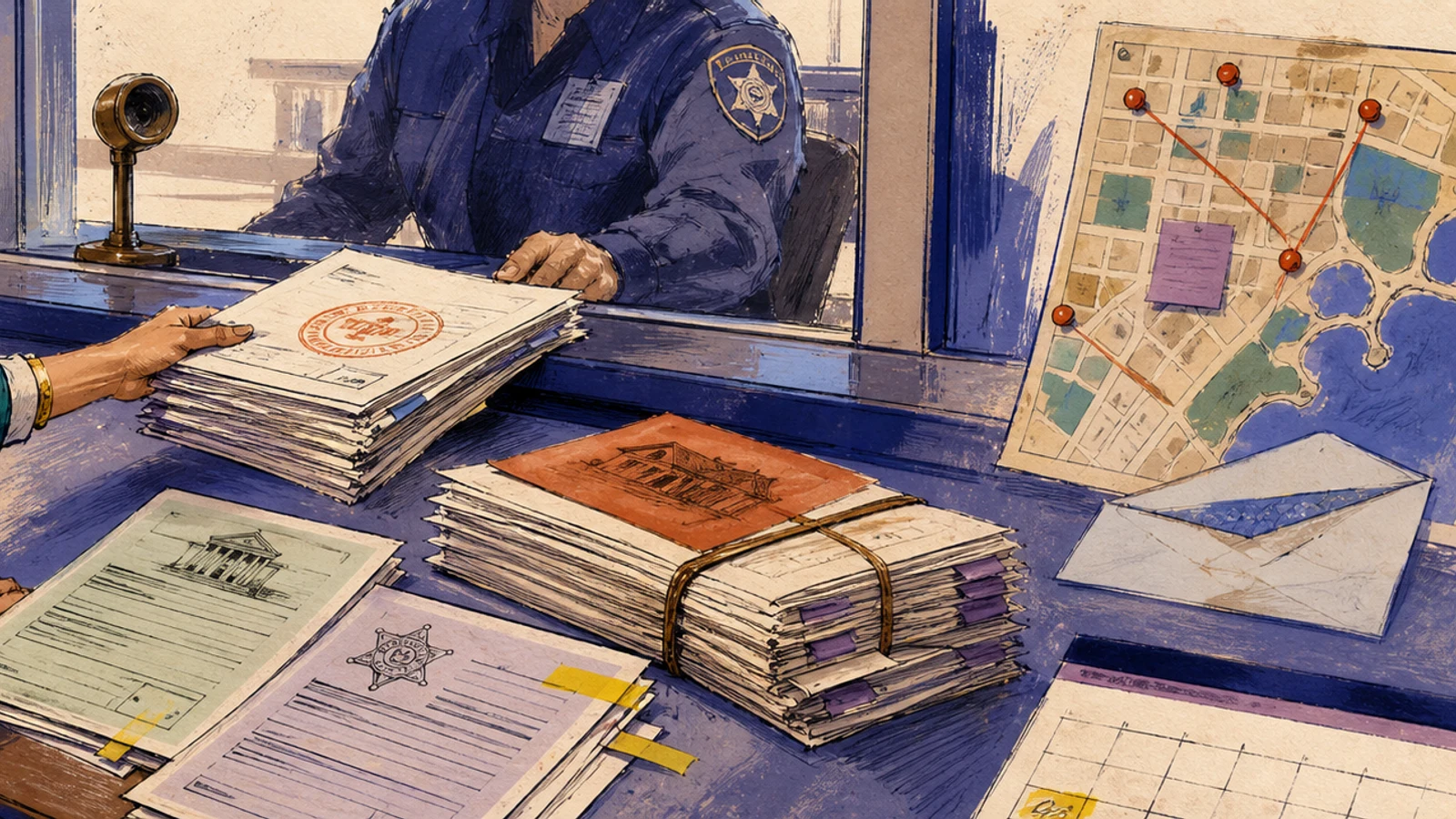
File an Unpaid Wage Claim Before the State Deadline
Reconstruct the wages owed to you — regular pay, overtime, tips, or commissions — identify the agency that enforces them, and file a documented claim with proof of submission. You will end with a complete claim file, a written calculation, and a step-by-step plan for the agency's determination, appeal, and collection stages.

Free preview: 4 of 22 steps
Work through them in the real run view, exactly as a buyer does. No account, no payment, nothing saved.
3 free unlocks per month — yours to keep forever
No account needed — nothing is saved.
Included with every copy
- Your own copy — keep it forever
- Gets better over time — free updates included
- Run it on web and mobile
- Invite a partner to go through it with you — you share the same progress
- Make it your own — a private copy you can edit to fit your situation
- The playbook's community — ask questions, get additions, and see how other buyers improve it, right on the step
Who it's for
Employees in the United States who are owed wages — regular pay, overtime, tips, commissions, or a final paycheck — by a private employer and want to file the claim themselves, without a lawyer. If your dispute is about discrimination, benefits, or unemployment insurance, or you were paid in cash with no records at all, this guide is less likely to fit.
About this playbook
This guide takes you through filing a formal unpaid wage claim with your state labor agency — or the federal Wage and Hour Division — from reconstructing what you are owed and pinning your state's filing deadline, to assembling evidence, submitting the complaint, and handling the employer's defense. You will produce an indexed claim file, a written calculation of the amount you are owed, and a confirmation of filing you can keep. Along the way you will apply the decision rules that matter: employee versus independent contractor, agency claim versus small claims court, and when to appeal. It covers missing regular pay, overtime, tips, commissions, and final paychecks for private-sector employees. It does not cover discrimination complaints, unemployment benefits, or class actions, and it is not legal advice. Everything here is designed for a beginner working alone, at no filing cost in most states.
What you'll do, step by stepFree preview
Only a sample is open: 4 of 22 steps can be read in full. The rest unlock when you buy.
Phase 1: Scope the Claim and Lock In the Deadline
5 stepsPhase 2: Assemble the Evidence into a Claim File
6 stepsPhase 3: Submit the Wage Claim
4 stepsPhase 4: Track the Claim and Meet the Employer's Defense
4 stepsPhase 5: Resolve the Claim or Escalate
3 steps
Details
What you need first
You worked for a private US employer and believe specific wages are missing. You can name the employer's legal name and address, and you still have at least some pay records or other evidence of the work. You do not need a lawyer, a legal background, or a large amount of money — the agency path is free to file. If your claim is close to the filing deadline, start with the first phase and skip nothing.