Get your short-term rental legal with the city
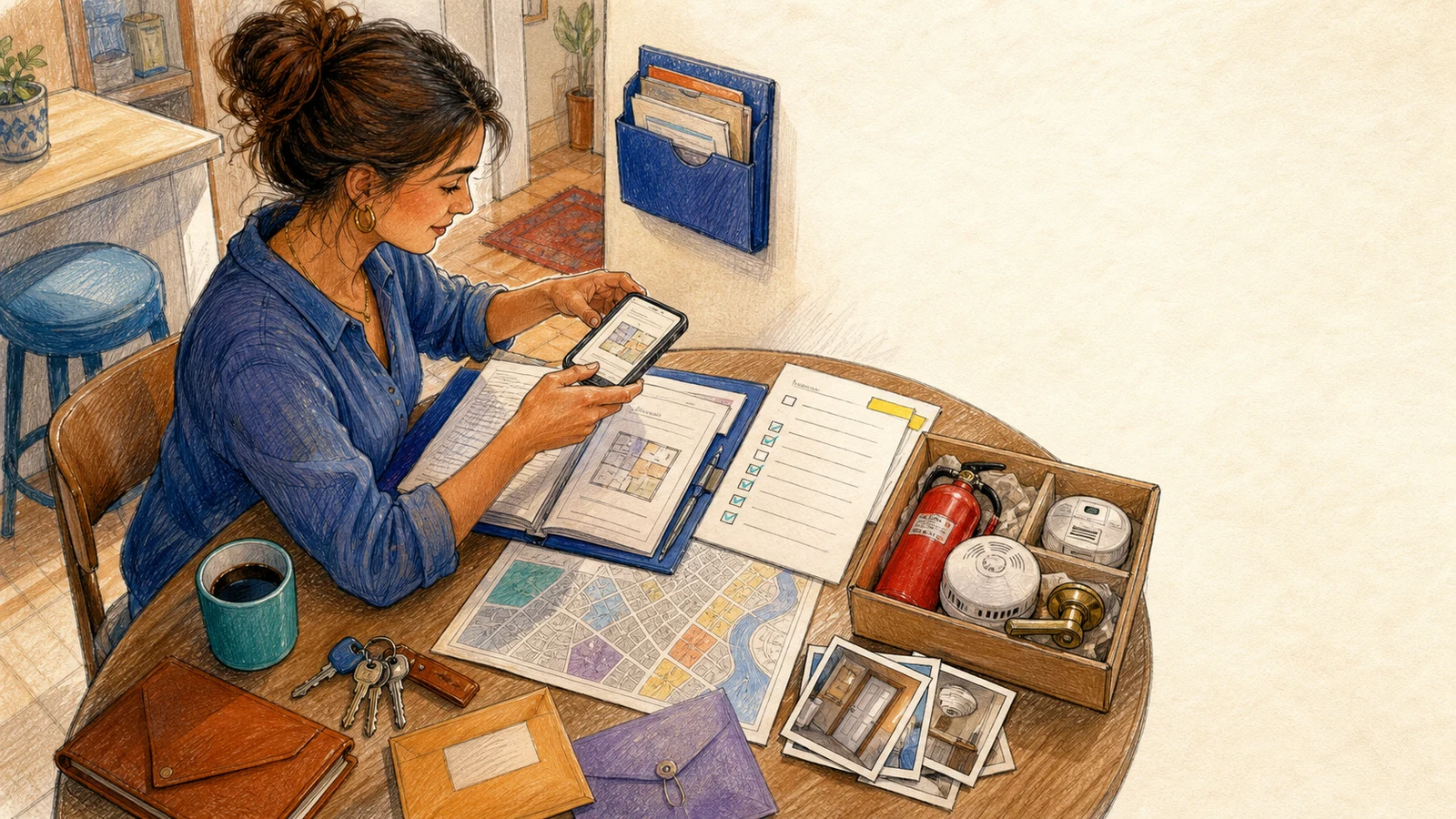
A short-term rental operating legally — the address checked against city zoning and permit-cap maps, HOA and lease restrictions cleared, life-safety hardware installed and self-inspected against the municipal checklist, the permit application filed with neighbour notification, and a transient occupancy tax account registered with the city.
Free preview: 4 of 23 steps
Work through them in the real run view, exactly as a buyer does. No account, no payment, nothing saved.
3 free unlocks per month — yours to keep forever
No account needed — nothing is saved.
Included with every copy
- Your own copy — keep it forever
- Gets better over time — free updates included
- Run it on web and mobile
- Invite a partner to go through it with you — you share the same progress
- Make it your own — a private copy you can edit to fit your situation
- The playbook's community — ask questions, get additions, and see how other buyers improve it, right on the step
Who it's for
Property owners and investors preparing a dwelling for Airbnb or VRBO in a city that licenses short-term rentals, including landlords whose leases permit subletting. Not for hosts in near-total-ban cities, units that already hold a permit, or properties under an active enforcement order, where a lawyer is the right first step.
About this playbook
A step-by-step route to a fully legal short-term rental: confirm the city will let you host at all, clear the HOA and lease hurdles, install what the fire marshal checks for, and file a complete application with the neighbor notices the city demands. It ends with your transient occupancy tax account registered and the permit number on your listing. The path is built around your own city's ordinance, zoning map, and inspection checklist — no generic advice. It does not cover state lodging-tax registration where that is separate, tax planning beyond the city levy, or hosts in cities with near-total bans, which the first phase screens out before you spend anything.
What you'll do, step by stepFree preview
Only a sample is open: 4 of 23 steps can be read in full. The rest unlock when you buy.
Phase 1: Confirm the city allows your rental
6 stepsPhase 2: Assemble documents and life-safety hardware
5 stepsPhase 3: Self-inspect against the city checklist
4 stepsPhase 4: File the permit application
4 stepsPhase 5: Register for taxes and start hosting
4 steps
Details
What you need first
A property you own or lease with a right to sublet, physical access to the unit for hardware installation and inspection, a government ID and proof of ownership or the lease in hand, and a card or account for fees. You need a computer, a printer, and a phone camera for GIS maps, forms, neighbor notices, and inspection photos.
Tags
Common questions
About the creator
Similar playbooks