Renew a Green Card or Remove Conditions on Time (Forms I-90 and I-751)
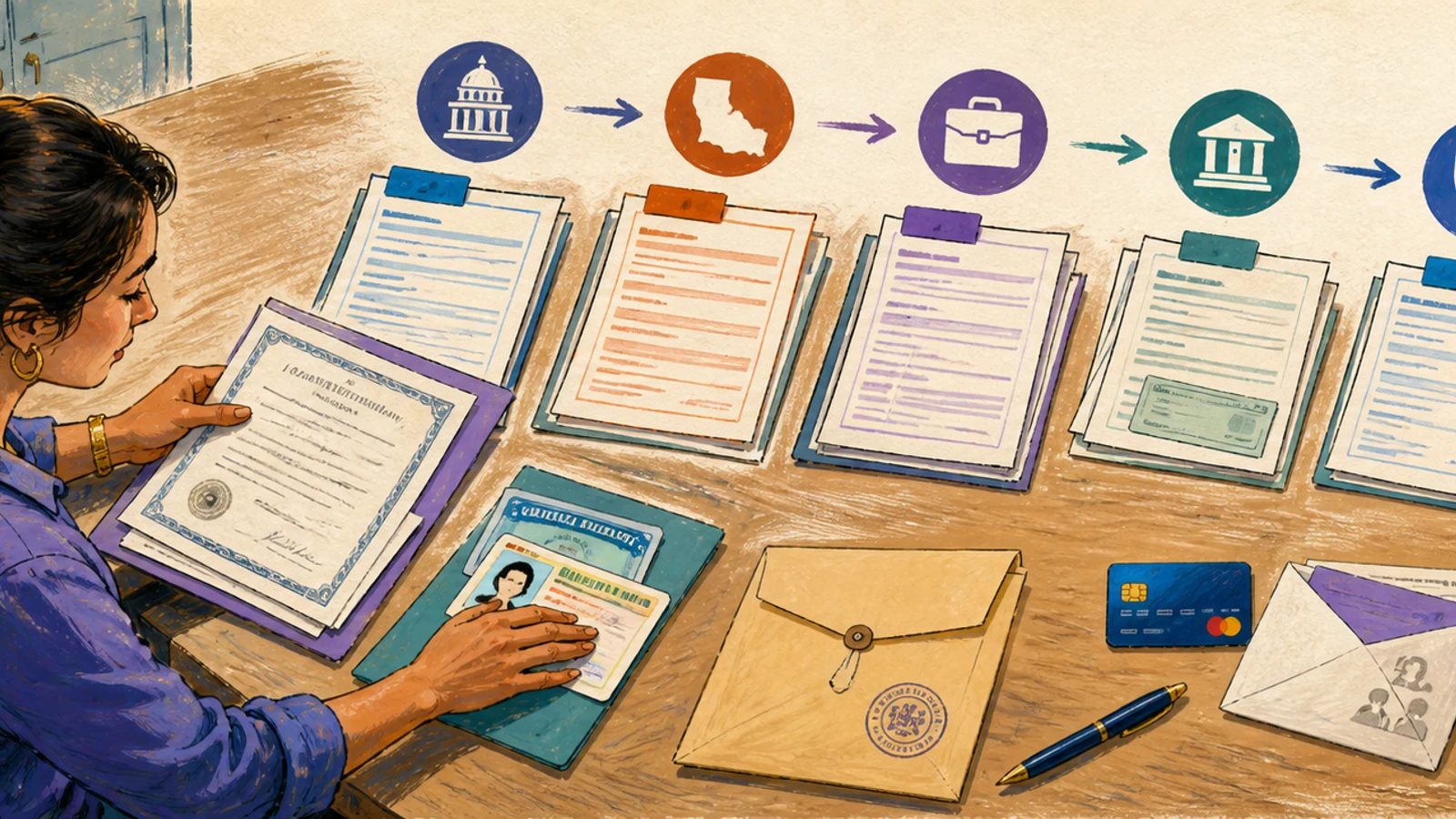
The correct form — I-90 for an expiring ten-year card or I-751 for conditional residence — is filed inside its window, the receipt-notice extension keeps status, work and travel documented while USCIS decides, and the process ends in an approved petition with a new ten-year card, or a documented escalation path if the case stalls or is denied.

Free preview: 4 of 24 steps
Work through them in the real run view, exactly as a buyer does. No account, no payment, nothing saved.
3 free unlocks per month — yours to keep forever
No account needed — nothing is saved.
Included with every copy
- Your own copy — keep it forever
- Gets better over time — free updates included
- Run it on web and mobile
- Invite a partner to go through it with you — you share the same progress
- Make it your own — a private copy you can edit to fit your situation
- The playbook's community — ask questions, get additions, and see how other buyers improve it, right on the step
Who it's for
Lawful permanent residents holding a ten-year card expiring within roughly six months (or already expired), and marriage-based conditional residents whose second anniversary — normally the card’s printed expiration date — is approaching its 90-day filing window; also conditional residents whose marriage has ended and who need the waiver route instead of a joint filing.
About this playbook
A green card with an expiration date is a countdown, and the two forms behind it punish guesswork: Form I-751 must land inside a 90-day window before the second anniversary of conditional residence, and Form I-90 is the wrong answer for a two-year conditional card entirely. This guide walks through the whole maintenance cycle — identifying which form the card in your wallet calls for, assembling the evidence USCIS expects, filing with the current fee and address, surviving biometrics and any interview, and using the receipt-notice extensions (36 months on I-90, 48 months on I-751) that keep work and travel legal while the case pends. It closes with the endgame: reading the approval, escalating a stalled case, and acting fast if USCIS denies. It does not cover getting a green card in the first place, naturalization strategy, or cases involving criminal history or removal proceedings, which need individual legal advice.
What you'll do, step by stepFree preview
Only a sample is open: 4 of 24 steps can be read in full. The rest unlock when you buy.
Phase 1: Identify Which Form Your Card Demands
4 stepsPhase 2: Build the Evidence and the Form
6 stepsPhase 3: Submit to USCIS
3 stepsPhase 4: Run Life on the Receipt Notice
4 stepsPhase 5: Clear Every USCIS Appointment and Request
3 stepsPhase 6: Close Out the Decision
4 steps
Details
What you need first
The permanent resident card itself (or its exact details and the Resident Since date), a reliable US mailing address that will reach you for every USCIS notice, the ability to pay the filing fee or request a waiver, and access to your records — marriage certificate, joint financial documents and tax returns where the I-751 route applies. Anyone with an arrest record, prior immigration violations, a not-yet-final divorce or a pending removal matter should start with an immigration attorney rather than this form-by-form path.