Triage Household Hazards Safely After Flood Re-entry
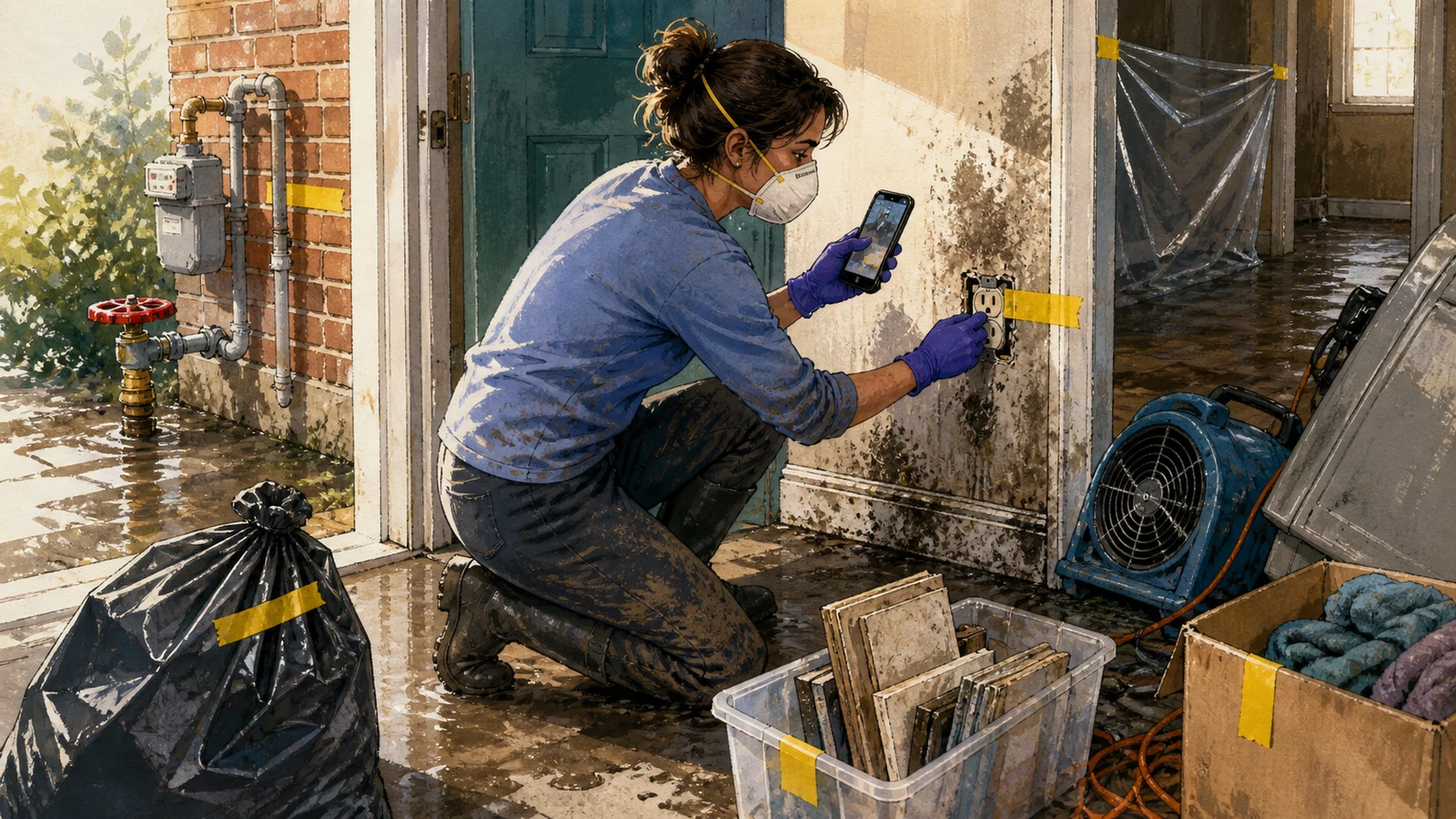
Electric, sewage, fuel, chemical, mold, and contaminated-material risks are triaged; unsafe areas remain isolated; and salvage, disposal, and professional-remediation decisions are documented.
Free preview: 3 of 15 steps
Work through them in the real run view, exactly as a buyer does. No account, no payment, nothing saved.
3 free unlocks per month — yours to keep forever
No account needed — nothing is saved.
Included with every copy
- Your own copy — keep it forever
- Gets better over time — free updates included
- Run it on web and mobile
- Invite a partner to go through it with you — you share the same progress
- Make it your own — a private copy you can edit to fit your situation
- The playbook's community — ask questions, get additions, and see how other buyers improve it, right on the step
Who it's for
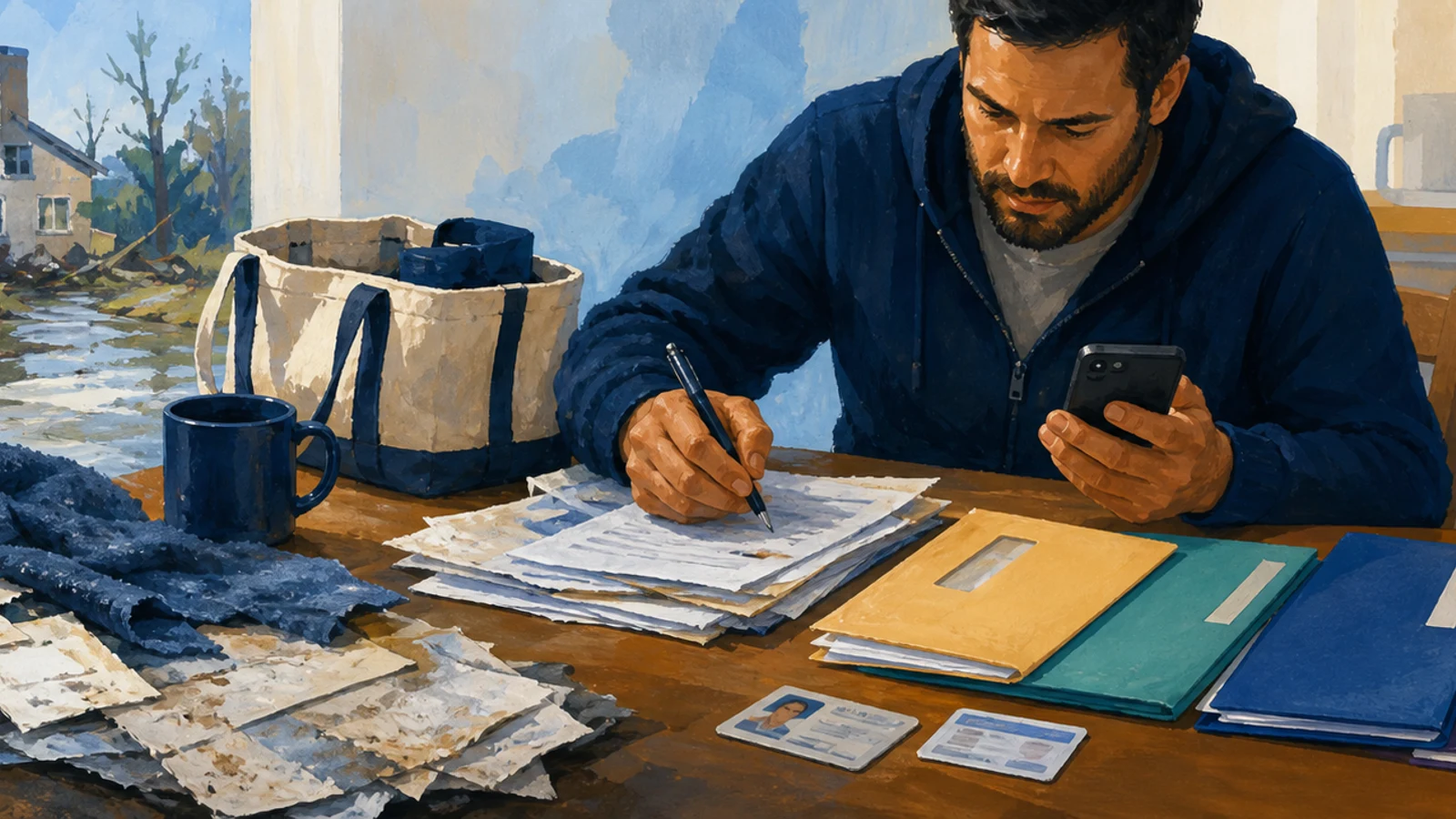
U.S. residents returning to a flooded home after authorities have permitted re-entry, and family members helping them triage immediate safety hazards on site.
About this playbook
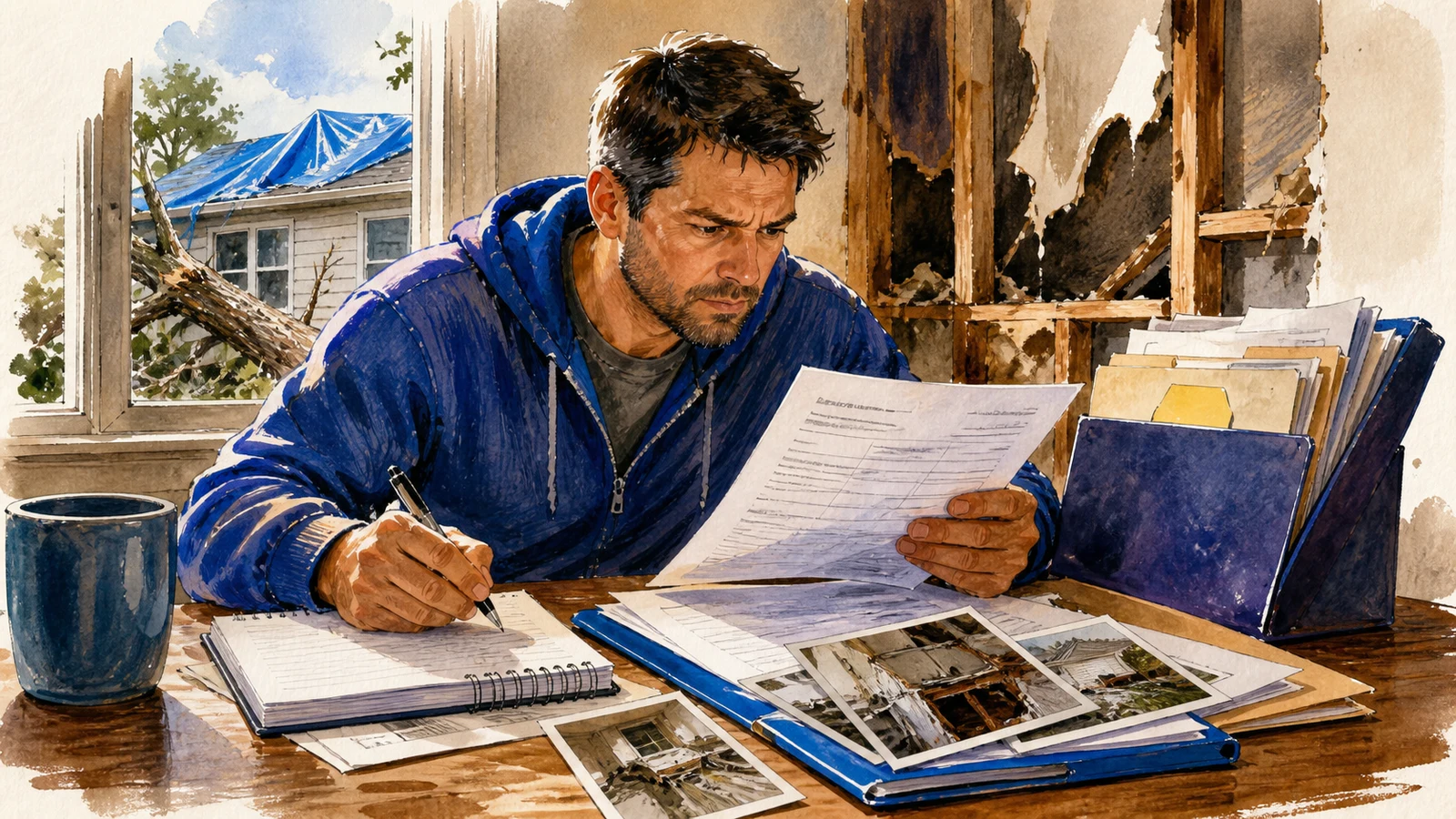
This reference organizes flood re-entry hazards into fast lookup entries you can open in any order at the property. It covers when not to enter, how to document before discarding, how to isolate unsafe zones, when to keep utilities off and call qualified professionals, what PPE to wear and who should stay out, and how to triage chemicals, materials, food, and surfaces for cleaning or disposal. Each entry gives the condition that triggers it, the safe action, the exception that requires a professional, and what to record. It does not replace local emergency, public-health, utility, or insurer instructions, and it does not set prices, permits, or coverage decisions.
What you'll do, step by stepFree preview
Only a sample is open: 3 of 15 steps can be read in full. The rest unlock when you buy.
Phase 1: Decide Whether to Enter and Prepare to Document
3 stepsPhase 2: Enter Safely, Ventilate, and Isolate Hazard Zones
3 stepsPhase 3: Control Utilities and Arrange Qualified Assessments
3 stepsPhase 4: Triage Contaminated Materials, Chemicals, and Food
3 stepsPhase 5: Dry the Structure, Dispose Legally, and Close the Recovery
3 steps
Details
What you need first
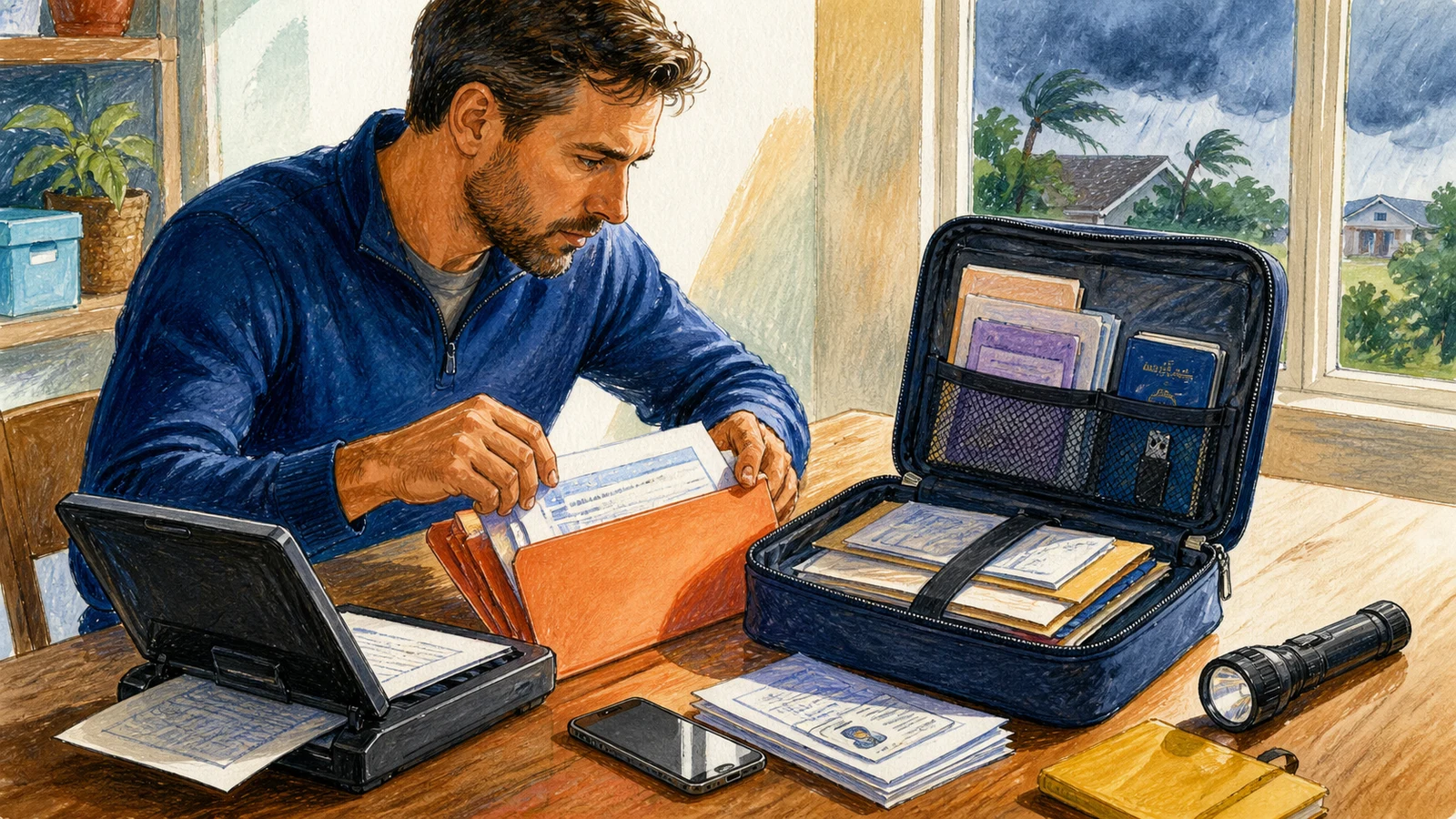
Local officials have said it is safe to return to this address; battery-powered flashlights or lanterns, rubber boots and gloves, vent-free goggles, N95 respirators, and a phone or camera for photos are available; insurer, utility, and local emergency-management contacts are to hand.