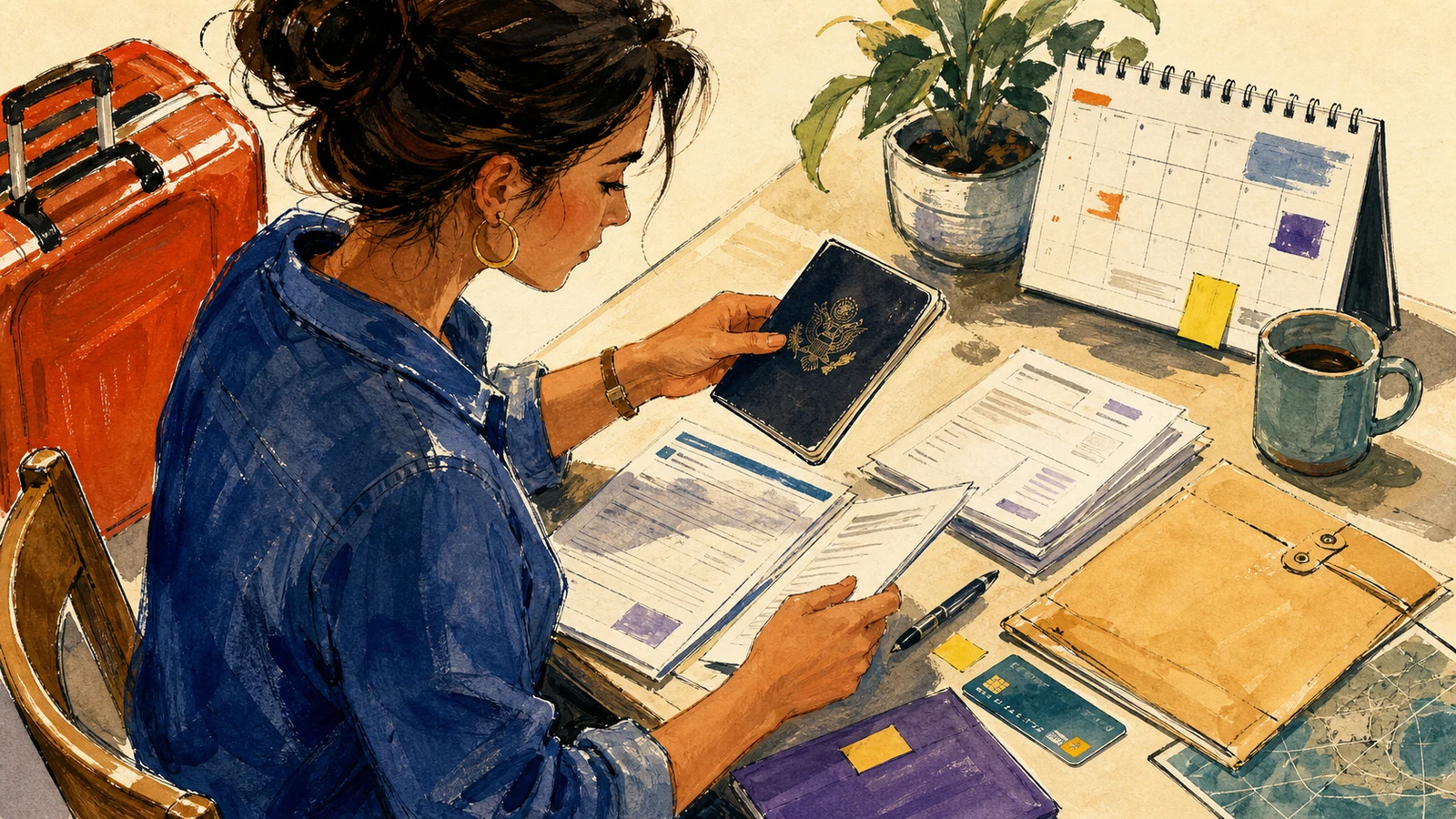
Rebuild a Disaster-Ready Household Document Set
Obtain missing identity, property, insurance, medical, and family records; create secure physical and digital copies; and prepare a portable emergency packet.
Free preview: 3 of 20 steps
Work through them in the real run view, exactly as a buyer does. No account, no payment, nothing saved.
3 free unlocks per month — yours to keep forever
No account needed — nothing is saved.
Included with every copy
- Your own copy — keep it forever
- Gets better over time — free updates included
- Run it on web and mobile
- Invite a partner to go through it with you — you share the same progress
- Make it your own — a private copy you can edit to fit your situation
- The playbook's community — ask questions, get additions, and see how other buyers improve it, right on the step
Who it's for
US households whose document set is incomplete, scattered, or recently lost — renters and owners, single adults, and families with dependents. It is equally for households that have not had a loss yet but live in wildfire, hurricane, flood, or severe-weather areas and want the paperwork settled before it matters.
About this playbook
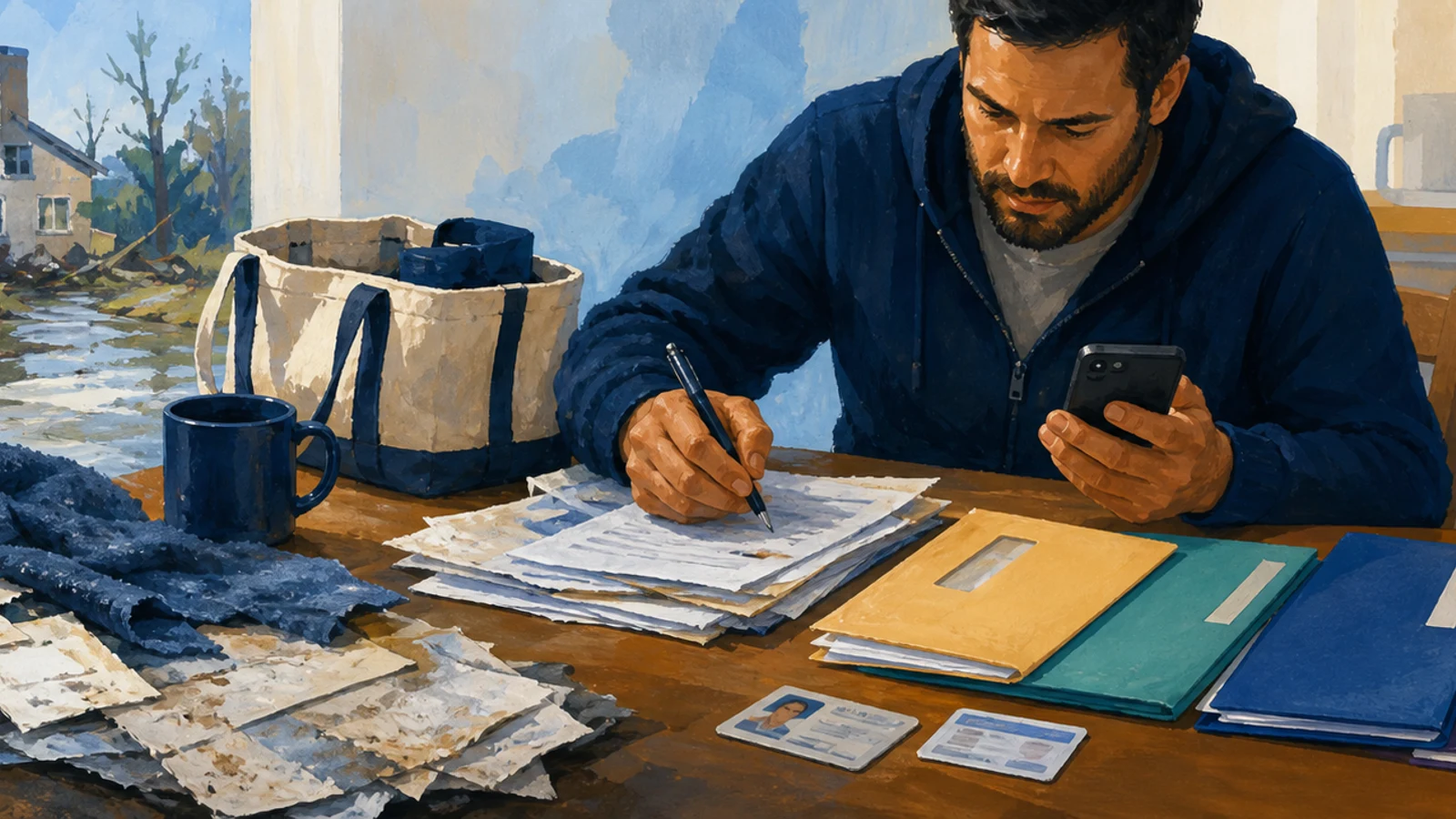
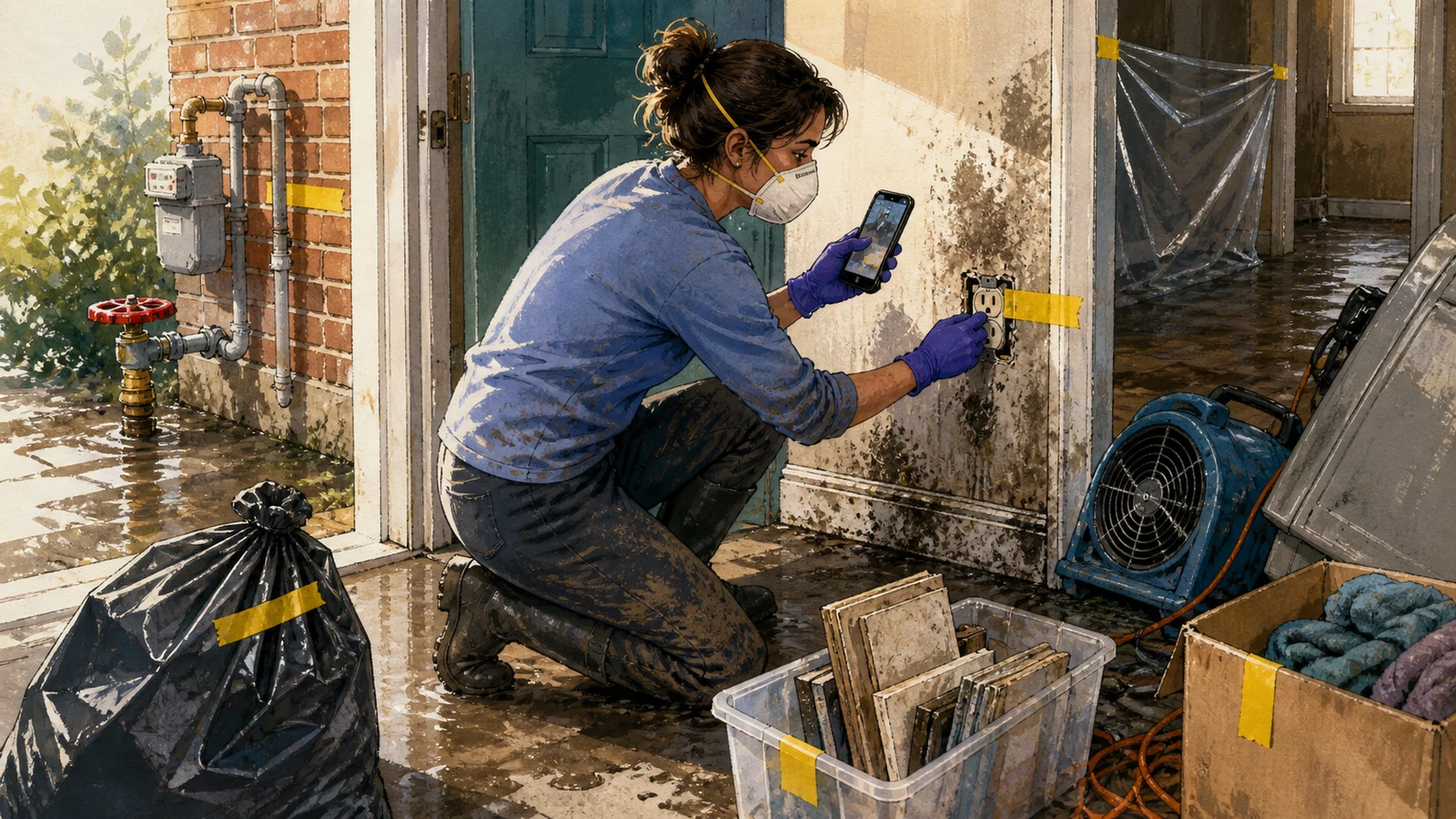
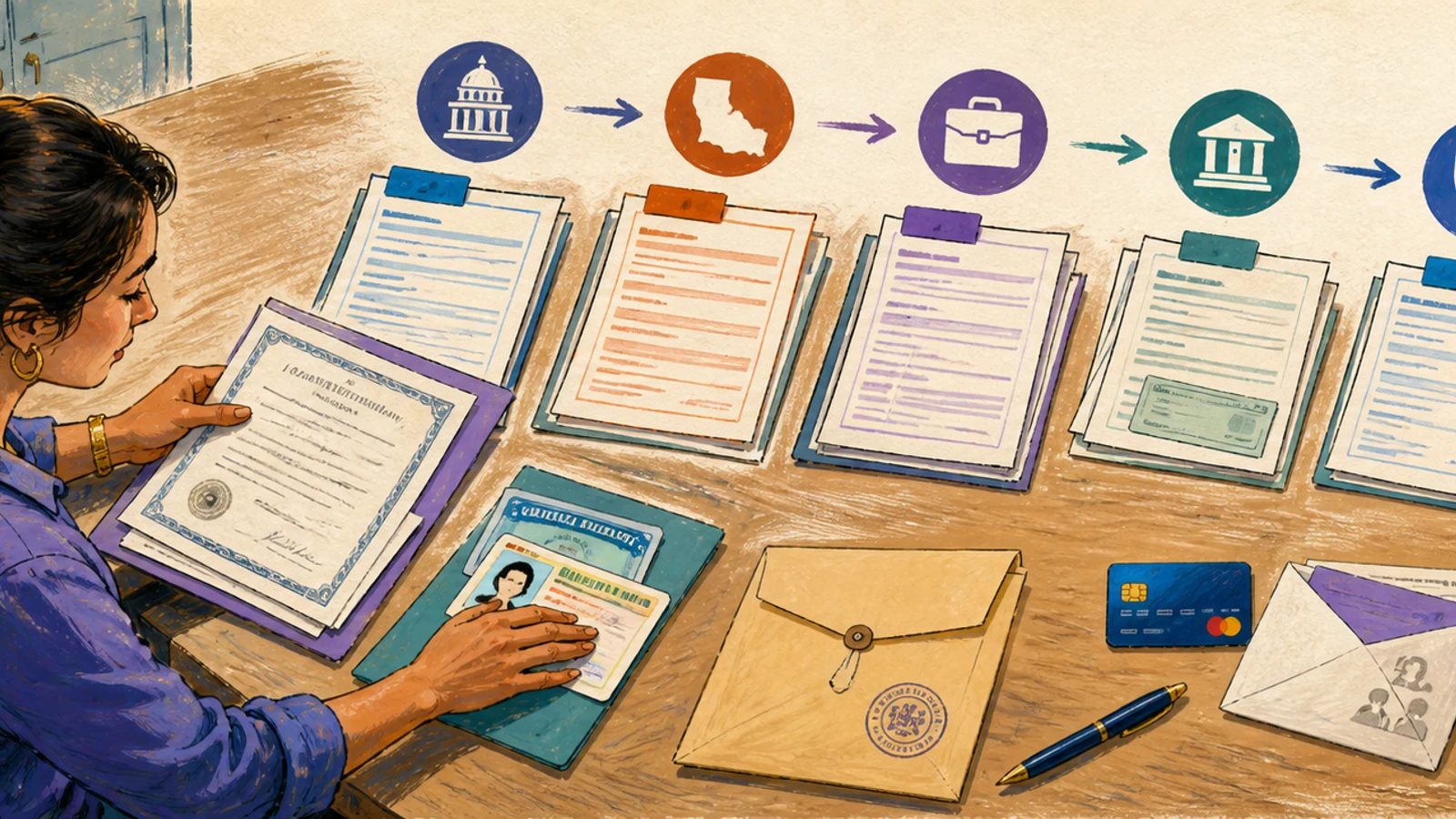
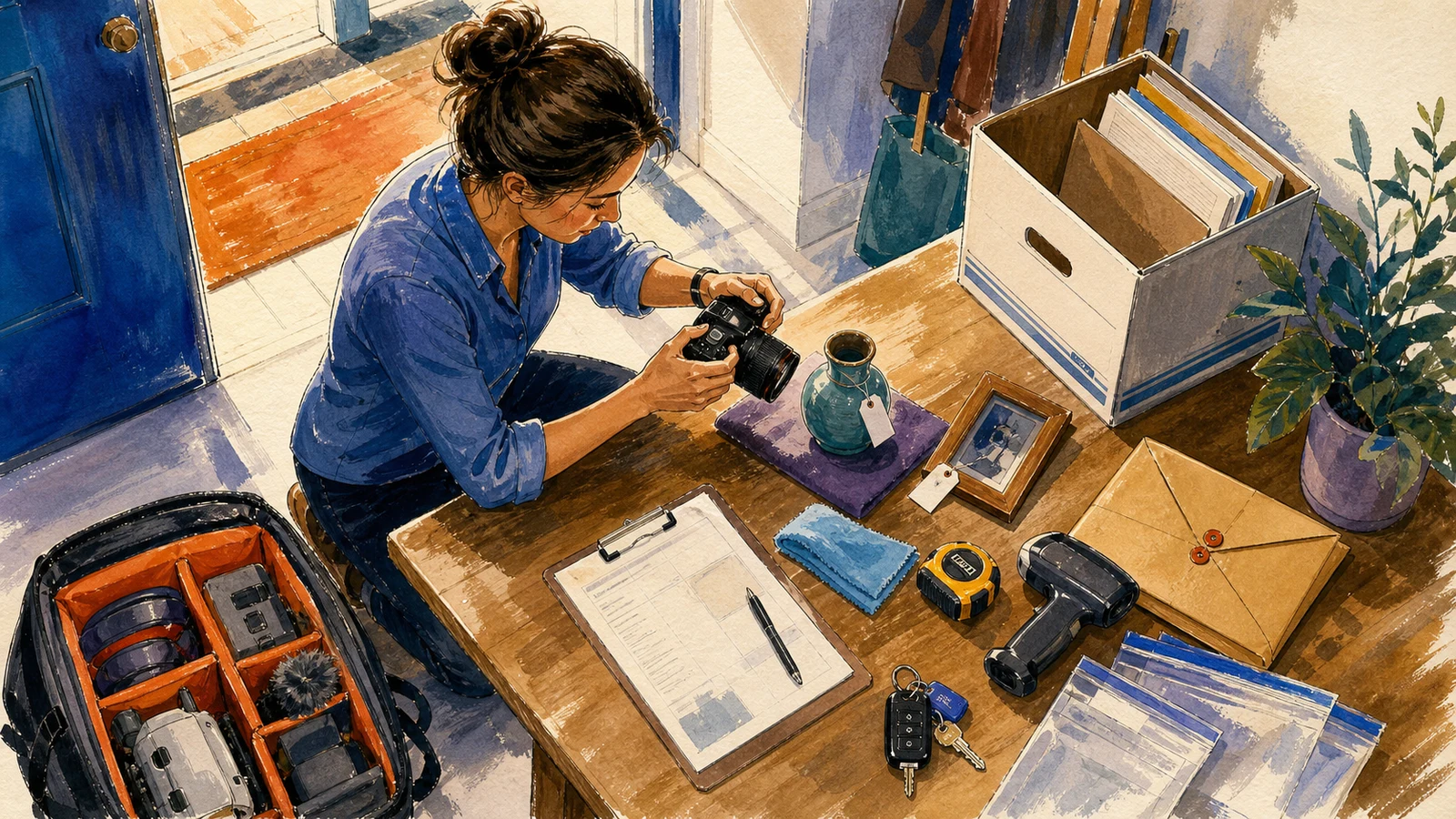
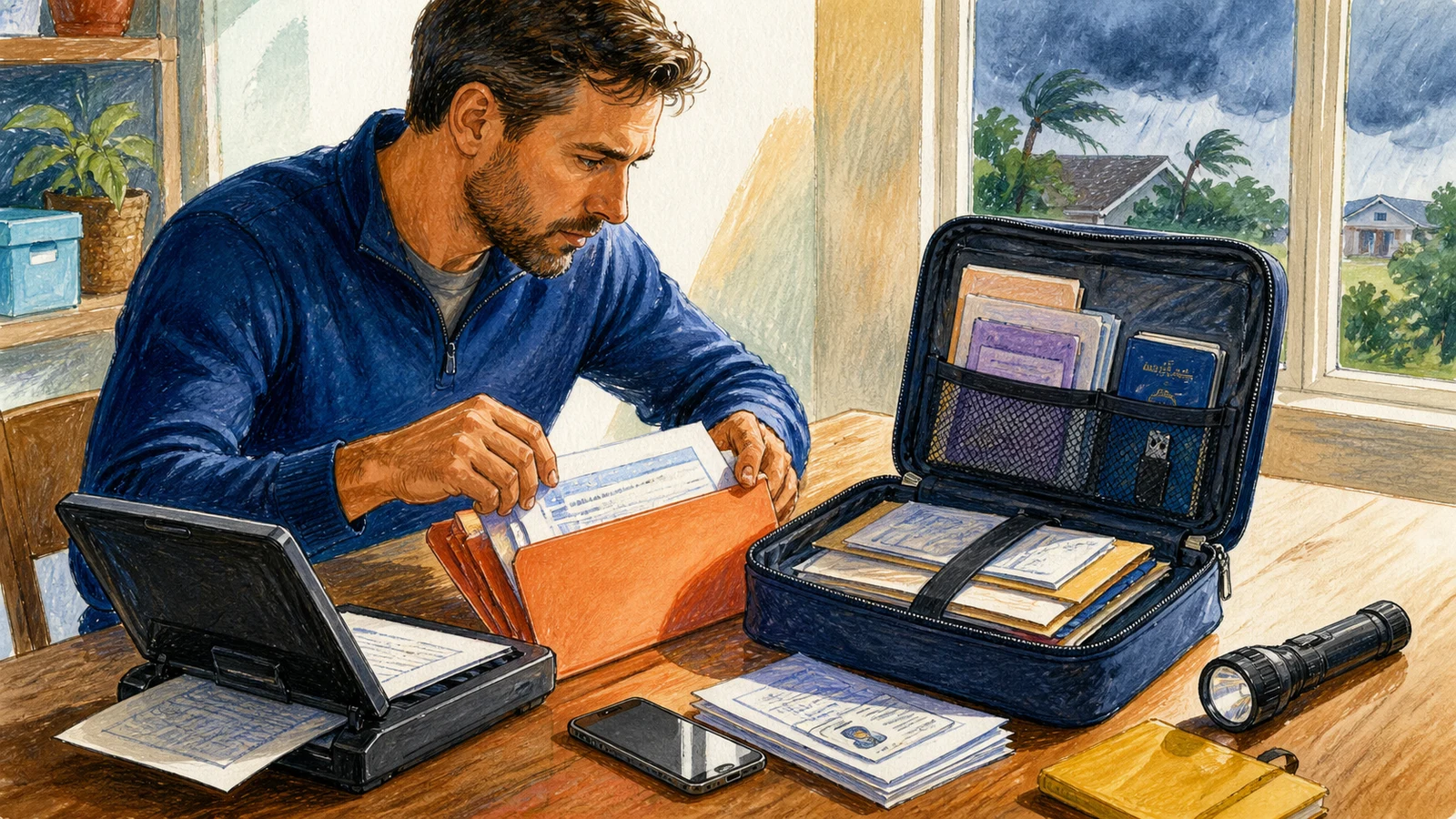
A household that has been through a fire, flood, theft, or evacuation knows that paperwork is the last thing you want to rebuild from memory. This guide walks you through the full rebuild in five phases: you inventory what exists and what is missing, design the storage system before spending a dollar, request certified replacements from the right agencies, build an encrypted digital archive with physical and off-site copies, and finish with a drill that proves anyone in the household can retrieve any document under pressure. Agency waits are built into the schedule, so you apply early and keep working while certificates, policies, and records are in transit. You end with every critical record in hand or on a dated request log, a grab-and-go emergency packet, and a maintenance routine that keeps the system current. It does not cover legal advice, drafting a will, negotiating insurance payouts, or unsecured digital storage — those are out of scope by design.
What you'll do, step by stepFree preview
Only a sample is open: 3 of 20 steps can be read in full. The rest unlock when you buy.
Phase 1: Take stock of what you have and what is missing
4 stepsPhase 2: Design the storage system
3 stepsPhase 3: Request the missing documents
5 stepsPhase 4: Build the archive and the packet
5 stepsPhase 5: Test, close out, and maintain
3 steps
Details
What you need first
A computer or smartphone with a scanner app, internet access, a valid photo ID, and roughly $150–550 available for filing fees and storage supplies. You should know which state issued your vital records and which county holds your property records, or how to find out. No legal, tax, or insurance expertise is assumed.
Tags
Common questions
About the creator
Similar playbooks