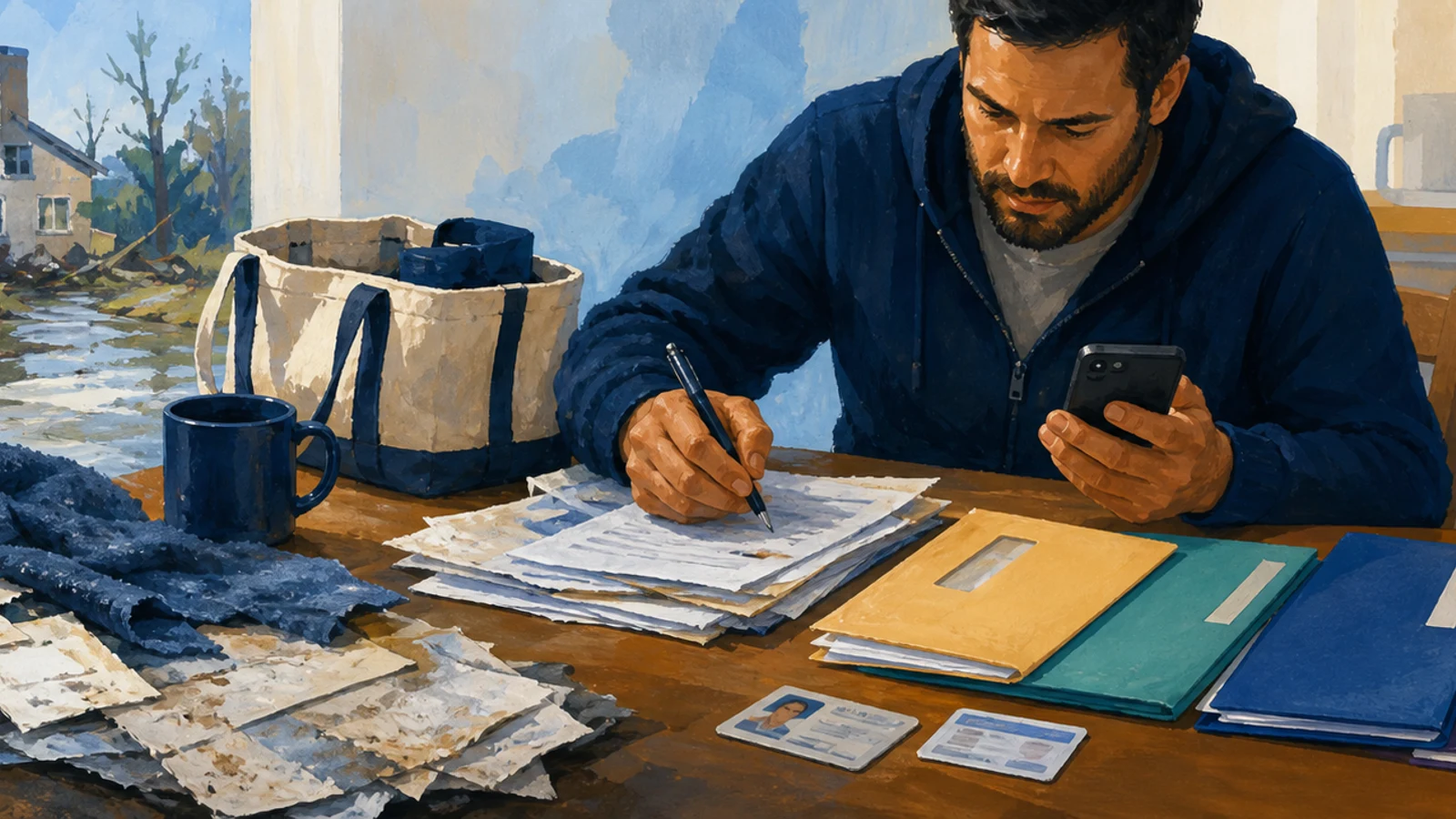
Prepare a Pet Evacuation Plan That Works When Shelters Fill Up
Every pet has identification, a portable medical record, transport equipment, a seven-day supply kit, and three verified evacuation destinations that accept the species and household arrangement.
Free preview: 4 of 21 steps
Work through them in the real run view, exactly as a buyer does. No account, no payment, nothing saved.
3 free unlocks per month — yours to keep forever
No account needed — nothing is saved.
Included with every copy
- Your own copy — keep it forever
- Gets better over time — free updates included
- Run it on web and mobile
- Invite a partner to go through it with you — you share the same progress
- Make it your own — a private copy you can edit to fit your situation
- The playbook's community — ask questions, get additions, and see how other buyers improve it, right on the step
Who it's for
U.S. pet owners in wildfire, hurricane, tornado, flood, or other evacuation-prone areas — from one indoor cat to a multi-pet household with dogs, birds, or small mammals — who want a tested, destination-first plan rather than a generic checklist. It fits you whether you evacuate by car or by an arranged ride, and whether your pets have special medical needs or none.
About this playbook
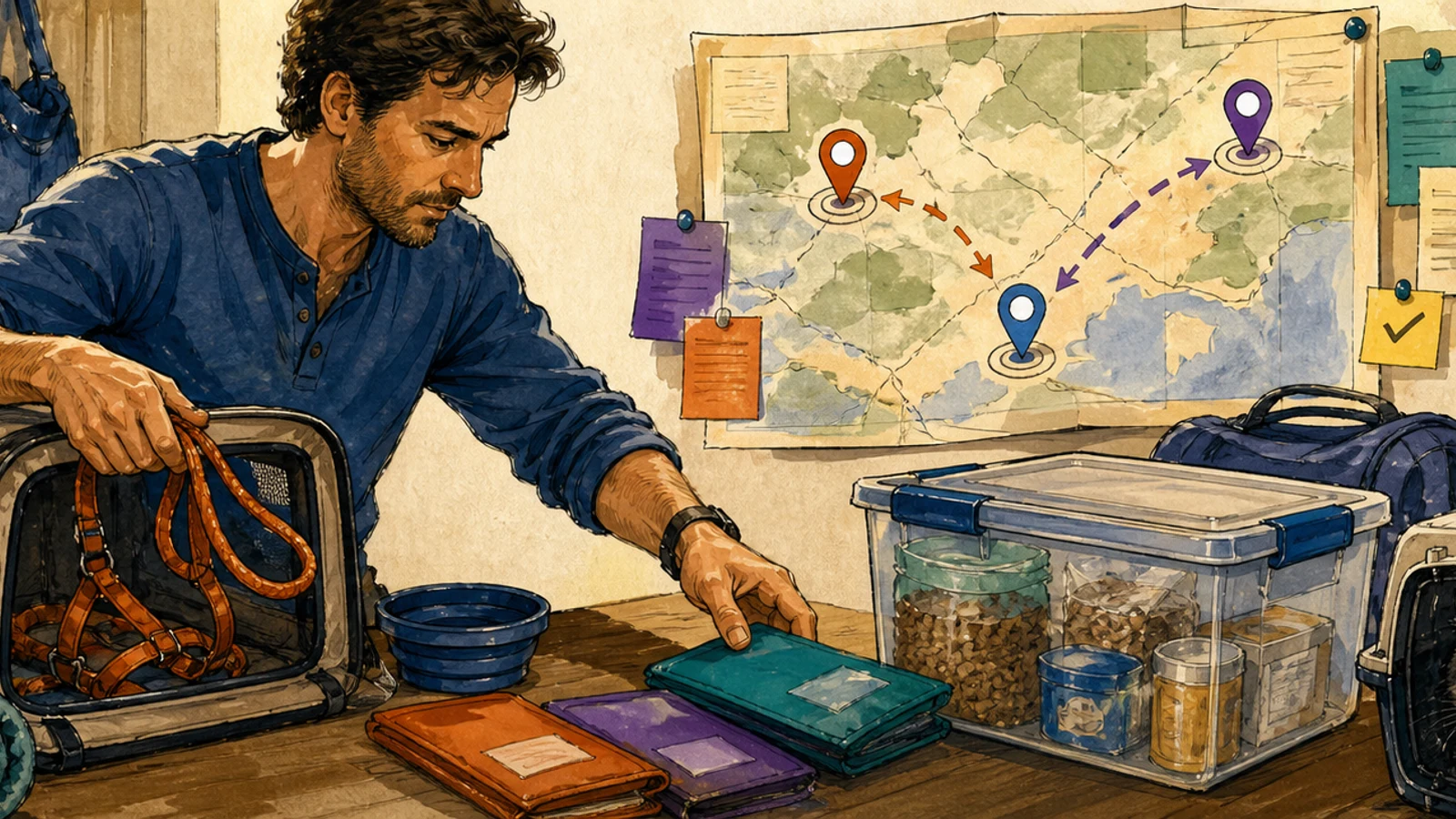
This plan turns generic preparedness advice into a tested evacuation system sized to your actual pets — their species, size, health, and temperament. You will inventory every animal, find out what your county shelters really accept, and design a tiered list of three verified destinations — hosts, pet-friendly hotels, boarding, and shelter fallbacks — so you never depend on a shelter that may already be full. Then you will secure identification and medical records, build a seven-day go-kit, and practice loading until the household can leave in minutes. The final phase runs a full drill, documents the plan on one page, and sets a maintenance calendar. It does not cover livestock or commercial operations, and it cannot guarantee any destination will accept your pet during a disaster — it makes verified alternatives your default instead of a hope.
What you'll do, step by stepFree preview
Only a sample is open: 4 of 21 steps can be read in full. The rest unlock when you buy.
Phase 1: Measure the Household and the Threat
3 stepsPhase 2: Choose the Destination Plan
5 stepsPhase 3: Secure Identification and Medical Records
3 stepsPhase 4: Build the Go-Kit and Transport Equipment
4 stepsPhase 5: Test the Plan End to End
3 stepsPhase 6: Document, Brief, and Maintain
3 steps
Details
What you need first
At least one pet, a vehicle you can evacuate with (or a ride arranged with someone who accepts your pets), current basic veterinary care with vaccination records on file, a phone to make verification calls during business hours, and a shelf or closet where the go-kit can live. No prior preparedness experience is required.