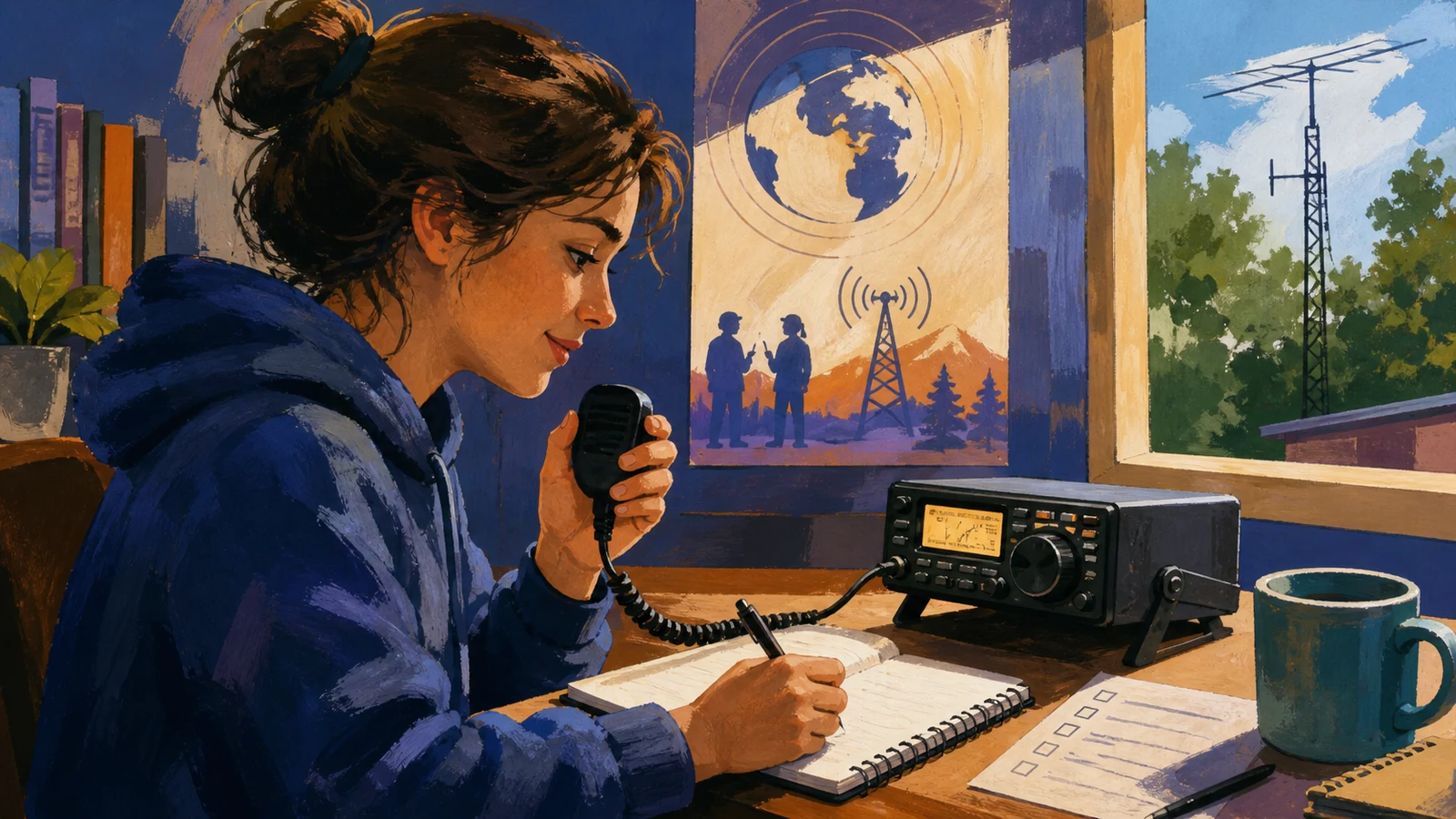
Get your ham radio licence and make your first contacts
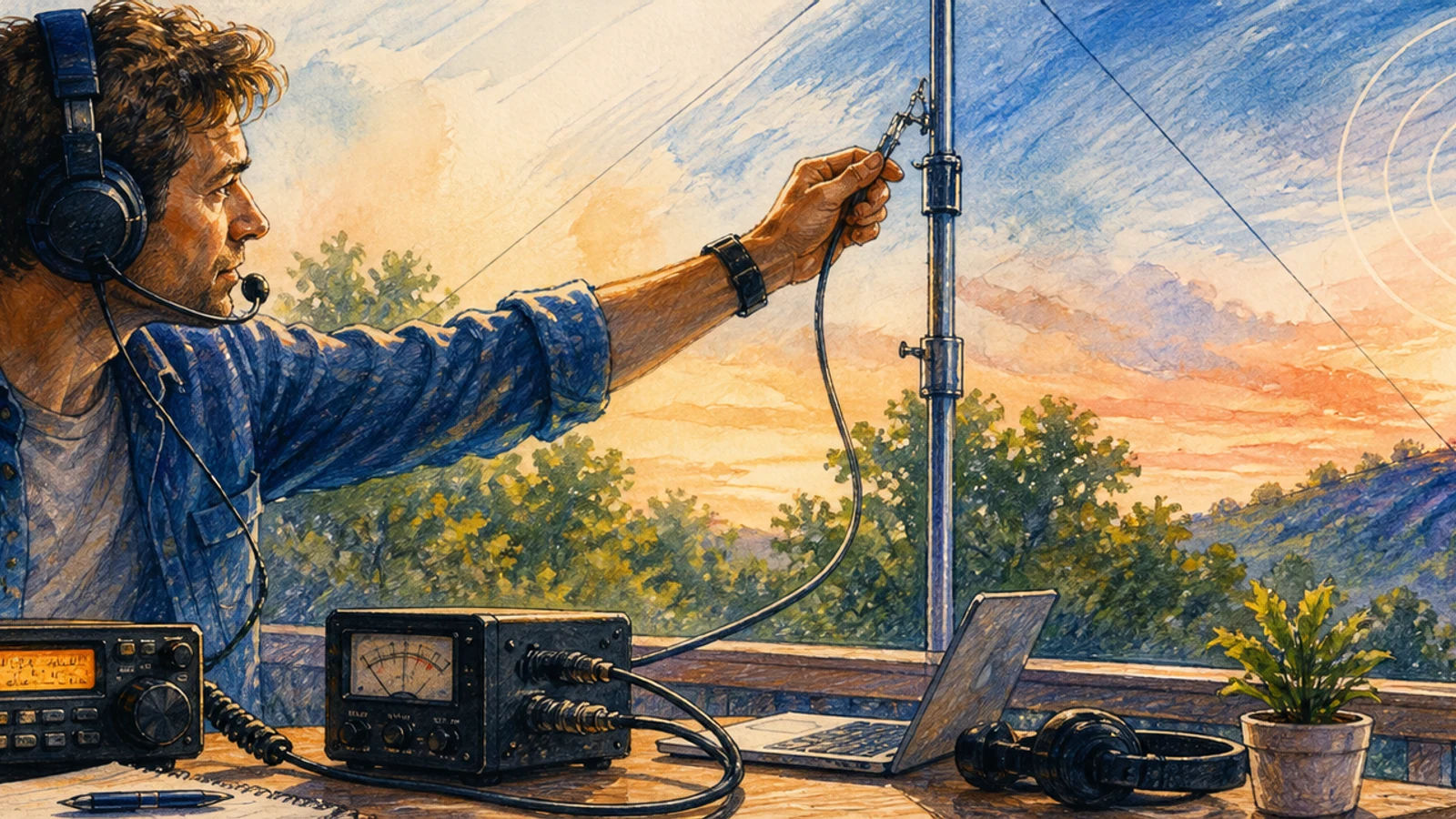
You hold a Technician-class amateur radio licence and your own FCC call sign, a first radio and antenna chosen and set up within the law, verified repeater and simplex contacts behind you, and a clear next step — either a General upgrade study plan or a place in an emergency communications group.
Free preview: 4 of 21 steps
Work through them in the real run view, exactly as a buyer does. No account, no payment, nothing saved.
3 free unlocks per month — yours to keep forever
No account needed — nothing is saved.
Included with every copy
- Your own copy — keep it forever
- Gets better over time — free updates included
- Run it on web and mobile
- Invite a partner to go through it with you — you share the same progress
- Make it your own — a private copy you can edit to fit your situation
- 18 knowledge checks to test what you've learned
- The playbook's community — ask questions, get additions, and see how other buyers improve it, right on the step
Who it's for
Preparedness-minded households that want a communications fallback when cell service fails, hikers and off-roaders who travel beyond coverage, and hobbyists who have meant to take the test for years. It also fits a family with a teenager ready for a first licence. If you already hold a Technician licence and only want station advice, start at the station phase.
About this playbook
This guide takes you from zero to licensed in one organised push: you register with the FCC, study the current Technician question pool on a fixed cadence, pass the 35-question exam, and come away with a call sign and a working station. You then choose a first radio and antenna on clear criteria, program local repeaters, and make your first real contacts using a script you have rehearsed. The whole path is roughly 25 hours of hands-on work over about a month, and every step ends with a visible result, from a saved FRN to a confirmed signal report. It does not cover General or Extra exam content, contesting, or building radios from scratch, and it does not replace the FCC rules — it points you to the rules where they matter. Free study resources are excellent, so the value here is the complete route and the order in which to do things.
What you'll do, step by stepFree preview
Only a sample is open: 4 of 21 steps can be read in full. The rest unlock when you buy.
Phase 1: Know the licence and lock in your exam date
4 stepsPhase 2: Study the question pool to a passing score
4 stepsPhase 3: Pass the exam and get your call sign
4 stepsPhase 4: Build and verify your first station
4 stepsPhase 5: Make your first contacts and choose your next step
5 steps
Details
What you need first
A computer or smartphone with internet access for FCC registration, practice exams and radio programming; a valid photo ID and a payment method for the 35 USD FCC fee; and the ability to attend an in-person or online exam session. No electronics background is needed, and there is no age minimum for a US amateur licence.